Private land dumping
Suitable dumped non-hazardous waste removed from private land, managed sites, yards and gated external areas after photos confirm the visible load.
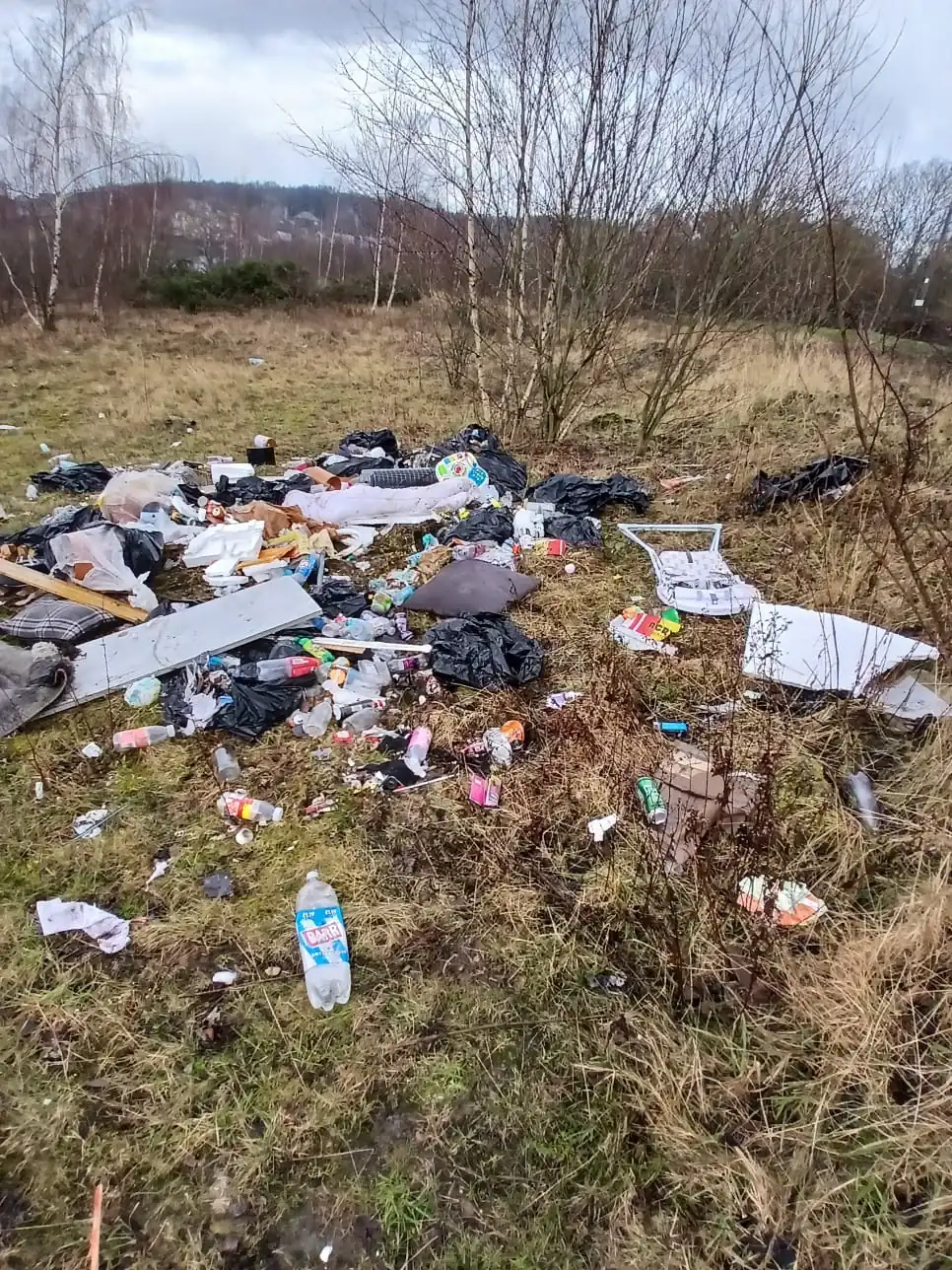
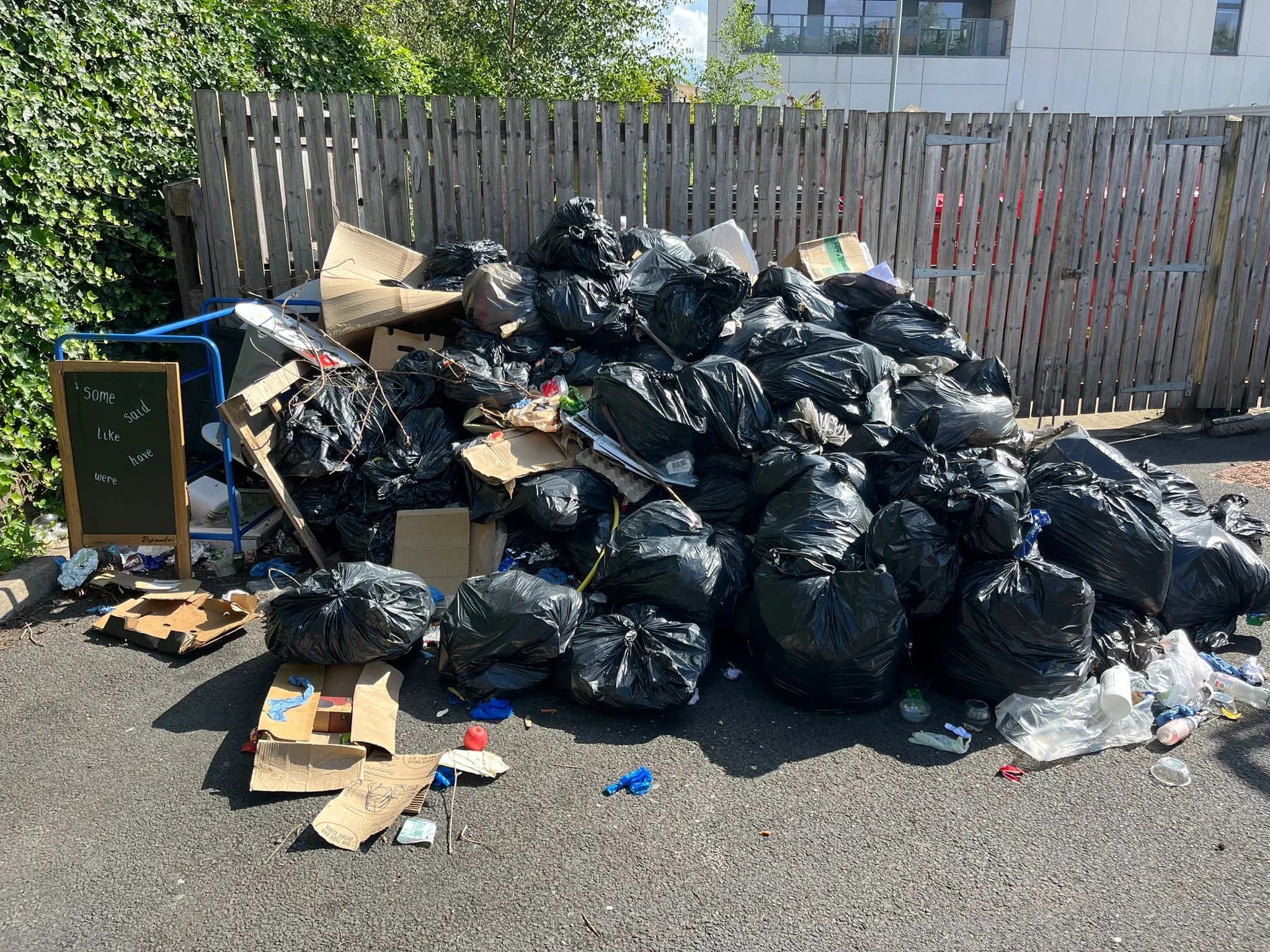
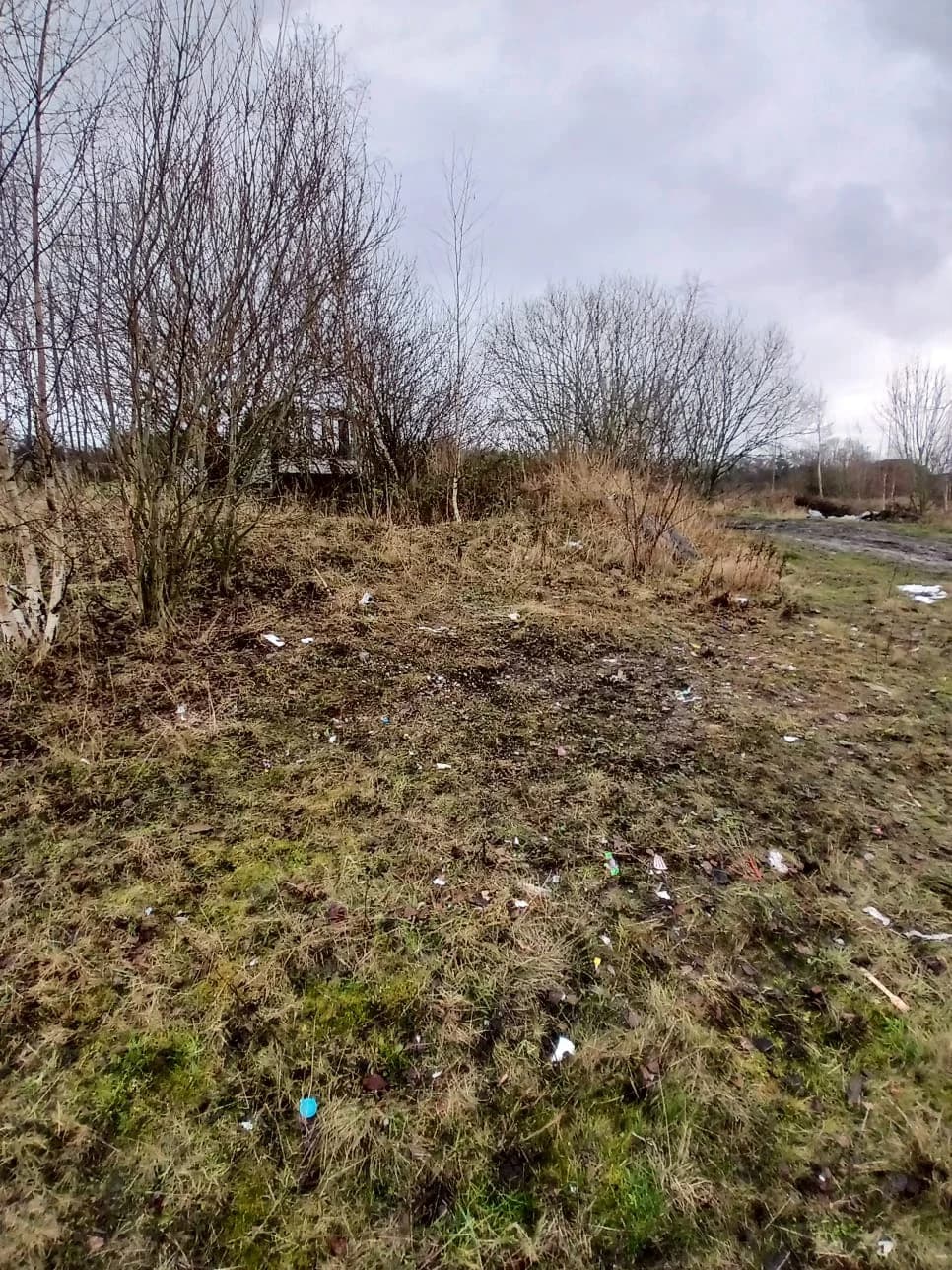
Fly-tipped waste can appear without warning around bin stores, garage courts, private entrances, business yards, service areas and managed external spaces.
Suitable waste can be removed from bin stores, yards, garage courts, car park corners, storage areas, private lanes, gated entrances and managed outdoor areas.
Fly-tipped waste in Kirklees should be photographed from a safe distance before anyone tries to move it or sort through it. Do not open bags, move containers or disturb anything that looks sharp, leaking, suspicious or unsafe. Photos taken from a safe distance are enough for the first review.
The aim is to clear the agreed dumped waste, avoid disturbing anything outside the quote and provide a clear record of the waste transfer after the job.
A fly-tipping clearance should leave a clear record of the collection, especially when insurers, landlords, agents or facilities teams may ask what happened to the waste.
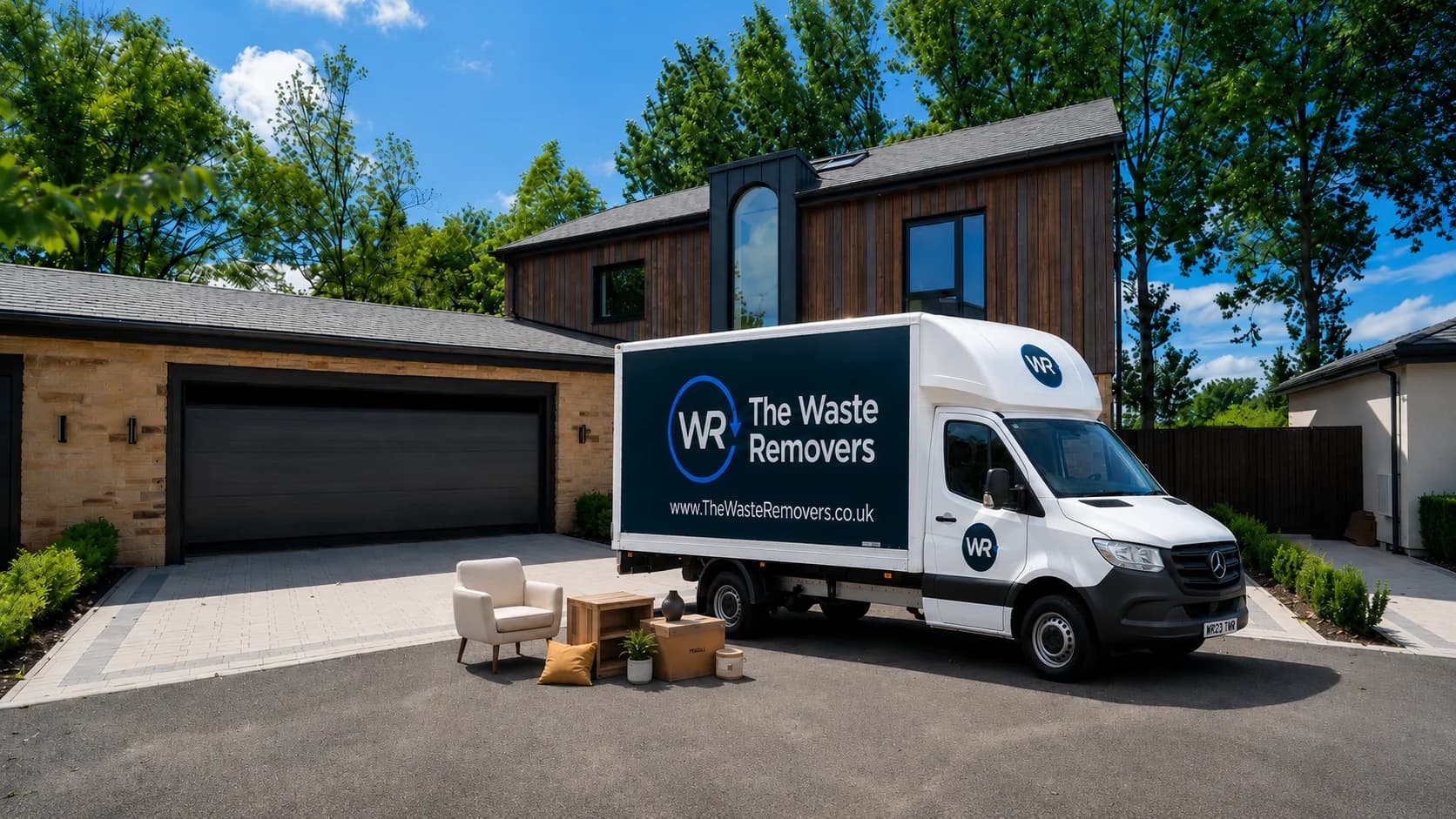
The Waste Removers are registered waste carriers, with public liability and employers’ liability insurance in place. Jobs can be documented with an invoice, digital Waste Transfer Note, carrier details and completion photos so there is a clear record after collection.
Fly-tipping clearance can cover suitable dumped non-hazardous waste from private land, bin stores, yards, garage courts, car park corners, managed premises, storage areas, service areas and private entrances.
Tell us about gates, locks, shared access, site rules, loading distance, restricted areas, time windows and whether the waste is blocking an entrance or bin store.
We do not open unknown containers, sort through suspicious bags or handle hazardous-looking waste as part of a standard fly-tipping clearance.
Black bags, Loose rubbish, Dumped furniture, Mattresses, Carpets, Pallets, Timber, Packaging, Green waste, Light rubble by arrangement
Bin stores, Business yards, Garage courts, Car park corners, Service areas, Storage areas, Private lanes, Managed external spaces, Gated entrances
Digital WTNs, Invoices, Carrier details, Before-and-after photos
Some clearances are straightforward bags and furniture. Others need extra checks because of liquids, containers, electrical items, tyres, batteries, sharps risk, contamination or unknown materials.
Fly-tipping clearance is often needed when dumped waste blocks a bin store, makes a yard unusable, affects a managed entrance or leaves a landlord with a site that needs documenting before it can move on.
The job can usually be quoted from photos when the visible load, access route, site type and restricted-item risks are clear enough before booking.
Suitable dumped non-hazardous waste removed from private land, managed sites, yards and gated external areas after photos confirm the visible load.
Bags, loose rubbish, dumped furniture and overspill cleared from managed bin store areas where access is safe.
Pallets, packaging, loose rubbish, timber and other suitable waste removed from service yards and business premises.
Dumped mattresses, carpets, bags, furniture and mixed non-hazardous waste reviewed from photos before removal.
Targeted clearances for recurring problem areas, with before-and-after photos available for landlord or facilities records.
Anything unusual, sharp, leaking, contaminated, electrical, heavy or hazardous-looking must be declared before the job is accepted.
Photos, postcode, access notes and a clear description help us confirm whether the dumped load is suitable before a booking is agreed.
Show the dumped waste, surrounding area, access route, loading point and anything suspicious without touching or moving the waste.
We check the visible load, access, labour, restricted item risk, disposal route and paperwork needs before confirming the price.
The agreed non-hazardous waste is loaded from the private or managed site, with anything outside the quote left untouched.
Invoice, digital Waste Transfer Note, carrier details and completion photos can be sent after collection.
For more detail on clearing dumped waste, access issues and what we can safely remove, visit our main fly-tipping clearance service.
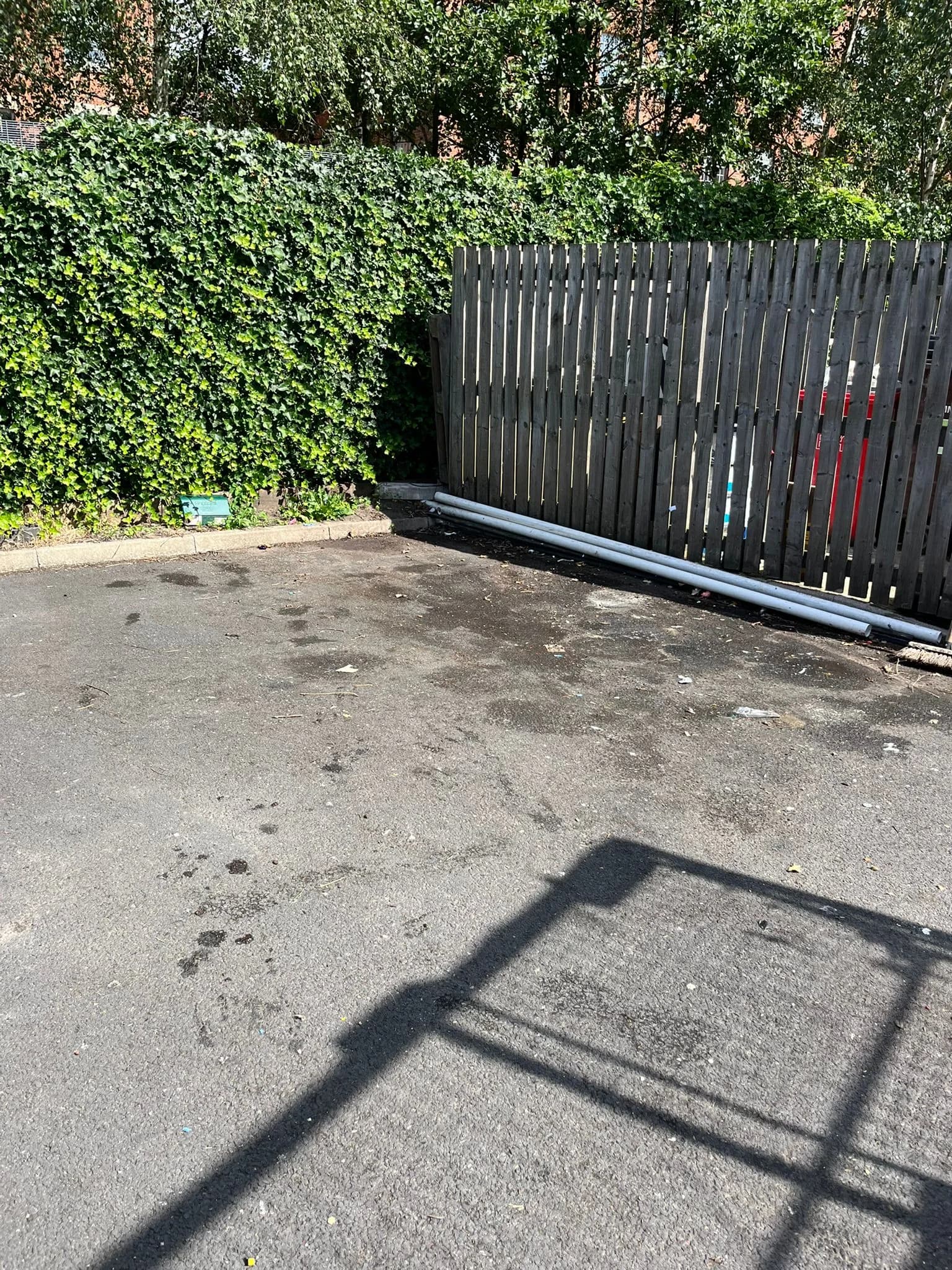
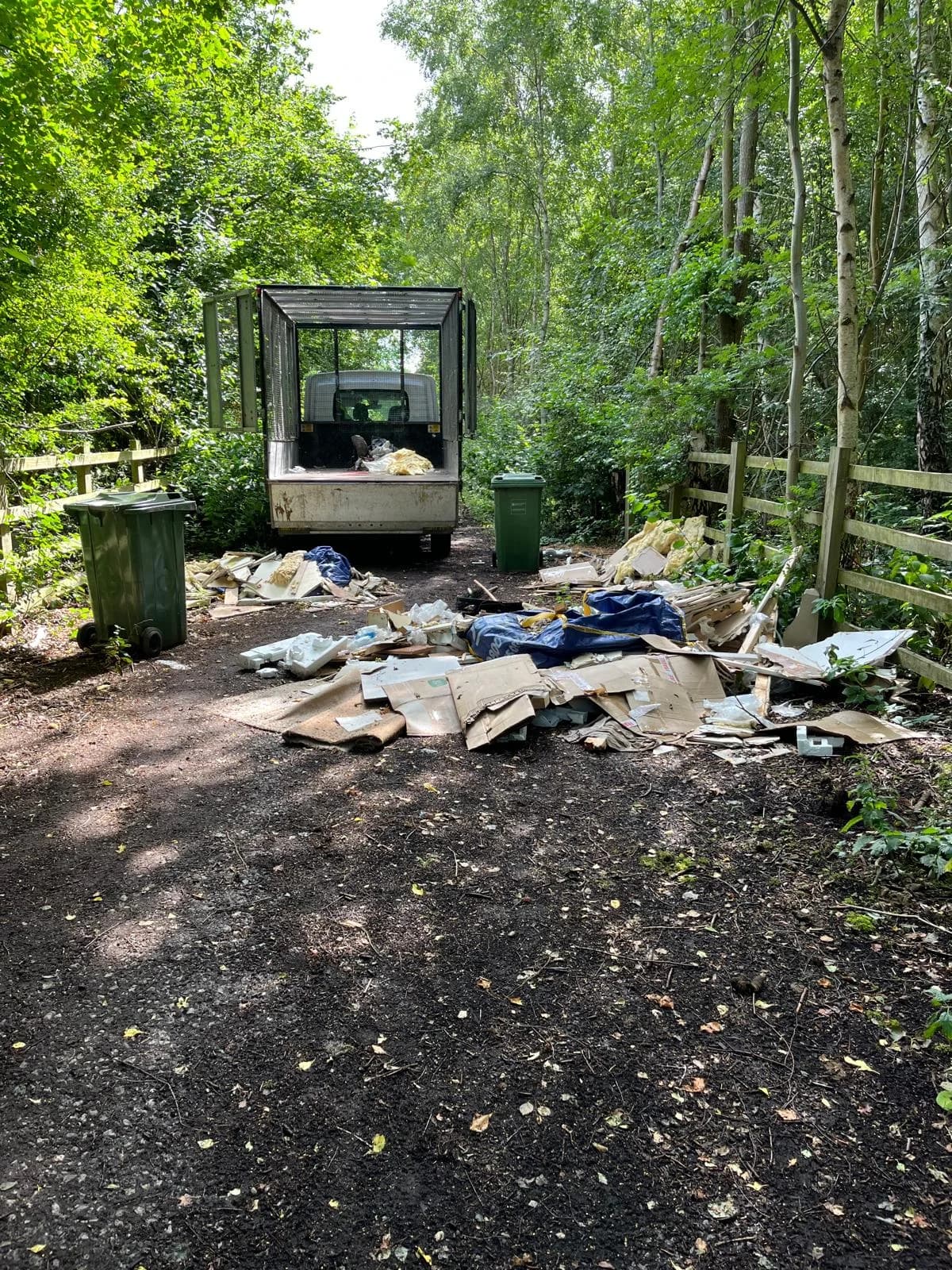
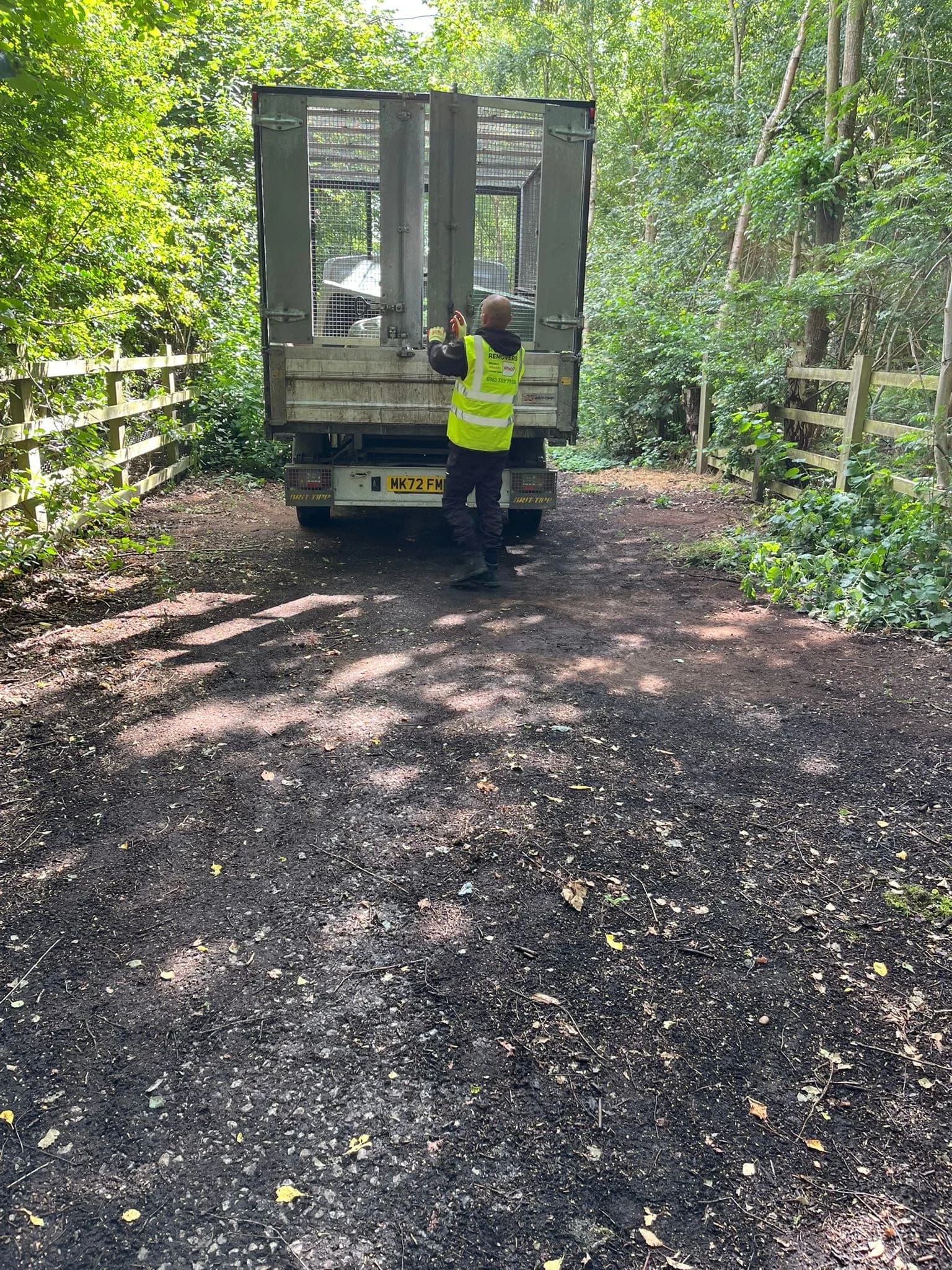
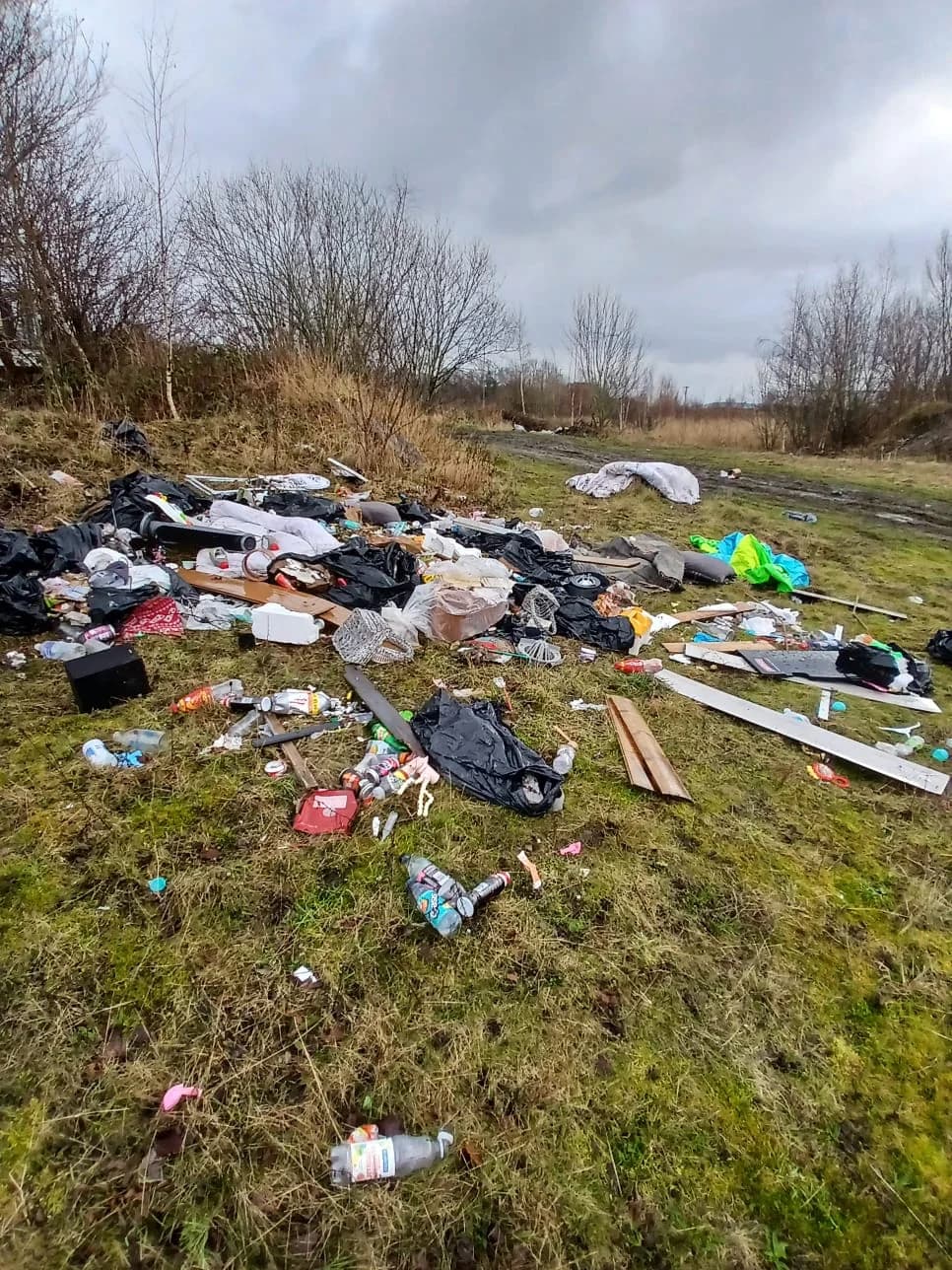
Before-and-after photos can help landlords, agents, landowners, insurers and facilities teams show that the agreed dumped waste was removed and the area was left clear.
Excellent service - Well mannered, great communication and did the job faster than expected. They even cleaned up after themselves which was a nice touch. Highly recommend using The Waste Removers!
Very polite and friendly did a really good job and was value for money
Easy to book, great communication and friendly lads who clearly understand and care about recycling. I will definitely use you again!
Prefer the general Fly-Tipping Clearance page? View Fly-Tipping Clearance.
Still unsure? These related services may fit better depending on the waste type: Rubbish Removal, Commercial Waste Removal, Property Clearance, Emergency Bin Collection
Prefer to chat? Get in touch with our friendly team.
The service covers Kirklees, including nearby Cleckheaton, Dewsbury, Huddersfield and Mirfield for targeted removal of suitable dumped waste from private and managed sites where the customer has authority to arrange collection.
Do not move the waste or open bags before asking for a quote. Send safe photos, access notes and details of anything unusual so we can advise properly.
When arranging fly-tipping clearance in Batley, show what is being removed and how the team can reach it. Batley feels busy and lived-in, with older terraces, later estates and busy roads forming the main shape of the area. Birstall and Staincliffe take Batley towards busy A-road links, older hillside streets and larger residential estates beyond the town centre. Batley station sits near older mill-town streets, where terraces, back lanes and routes towards Dewsbury and Birstall make the centre feel tightly packed. This gives the team a practical basis for planning the Batley visit without making assumptions about access.
In Cleckheaton, fly-tipping clearance is priced for the particular job; this may include a one-off dumped load that can be assessed safely from photographs. Cleckheaton is shaped by its levels as much as by its housing, with streets rising away from the centre and older properties often set above or below the road. Around Cleckheaton Town Hall, the streets soon climb or narrow into terraces, side roads and residential pockets off the main routes. Property records can be backed by completion photographs together with the invoice and digital Waste Transfer Note.
Fly-tipping clearance in Dewsbury can cover abandoned bulky items and mixed waste on private or managed land. The removal contents, handling effort and carrying distance to the vehicle form the pricing basis. In Dewsbury, older terraces, estate roads and newer housing tend to sit close to the main routes rather than spreading out evenly. Towards Ravensthorpe, Dewsbury spreads into residential streets, estate roads and village-edge routes rather than staying tightly around the centre. Around Dewsbury Town Hall, rear alleys, estate roads and main-road traffic are the details that make one street feel different from the next. Waste on public land or obstructing a highway should be reported to the responsible authority, not moved privately.
A fly-tipping clearance quote for Heckmondwike starts with clear photos of the load and collection access. Heckmondwike is compact and busy in an everyday way, with older streets, estate housing and railway or industrial edges sitting close together. Near Heckmondwike Hub, central streets give way quickly to terraces, estate roads and busy through-routes. In Heckmondwike, back entries, estate parking and busy through-routes can make neighbouring streets feel very different. This gives the team a practical basis for planning the Heckmondwike visit without making assumptions about access.
A fly-tipping clearance quote for Holmfirth starts with clear photos of the load and collection access. Holmfirth is tightly gathered around the valley centre, then quickly stretches into hillside villages such as Honley, Brockholes and the lanes towards the Holme Valley. Around Holmfirth Civic Hall and the river crossings, the village-centre streets quickly give way to lanes climbing into the Holme Valley. Holmfirth changes noticeably between the tight village centre, residential estates and lanes climbing out towards the Holme Valley villages. For the Holmfirth collection, confirm hazardous or unusual materials separately so the correct route can be agreed.
The starting point for fly-tipping clearance in Huddersfield is a clear view of the items and access. The agreed load might include abandoned bulky items and mixed waste on private or managed land. Huddersfield sits in a valley landscape, with a large town centre, university streets, stone terraces, suburbs and roads running out towards villages on higher ground. Lindley, Almondbury, Moldgreen, Fartown, Birkby, Golcar, Milnsbridge and Marsh each bring a different residential edge, while the routes towards Holmfirth, Marsden and Slaithwaite quickly become hillier and more village-led. Huddersfield changes fast from dense town streets to steep roads, stone terraces and outer settlements on higher ground. Establish permission with the landowner or authorised manager and agree the evidence record before any material is removed.
The starting point for fly-tipping clearance in Mirfield is a clear view of the items and access. The agreed load might include dumped bags, furniture, packaging and identifiable non-hazardous waste. In Mirfield, the hills are part of the area’s character, especially where older streets climb away from the centre. Around Mirfield railway station, the street pattern moves from rail-side routes and terraces into residential roads rising away from the centre. Mirfield’s station side and canal-side roads sit lower than many of the residential streets, giving the town a clear split between valley routes and hillside housing. We can provide completion photographs, an invoice and a digital Waste Transfer Note for landlord, insurer or facilities records.
Share the postcode, safe photos, access notes and any visible restricted items for a clear Kirklees quote. We confirm the suitable load, disposal route and paperwork before booking.