
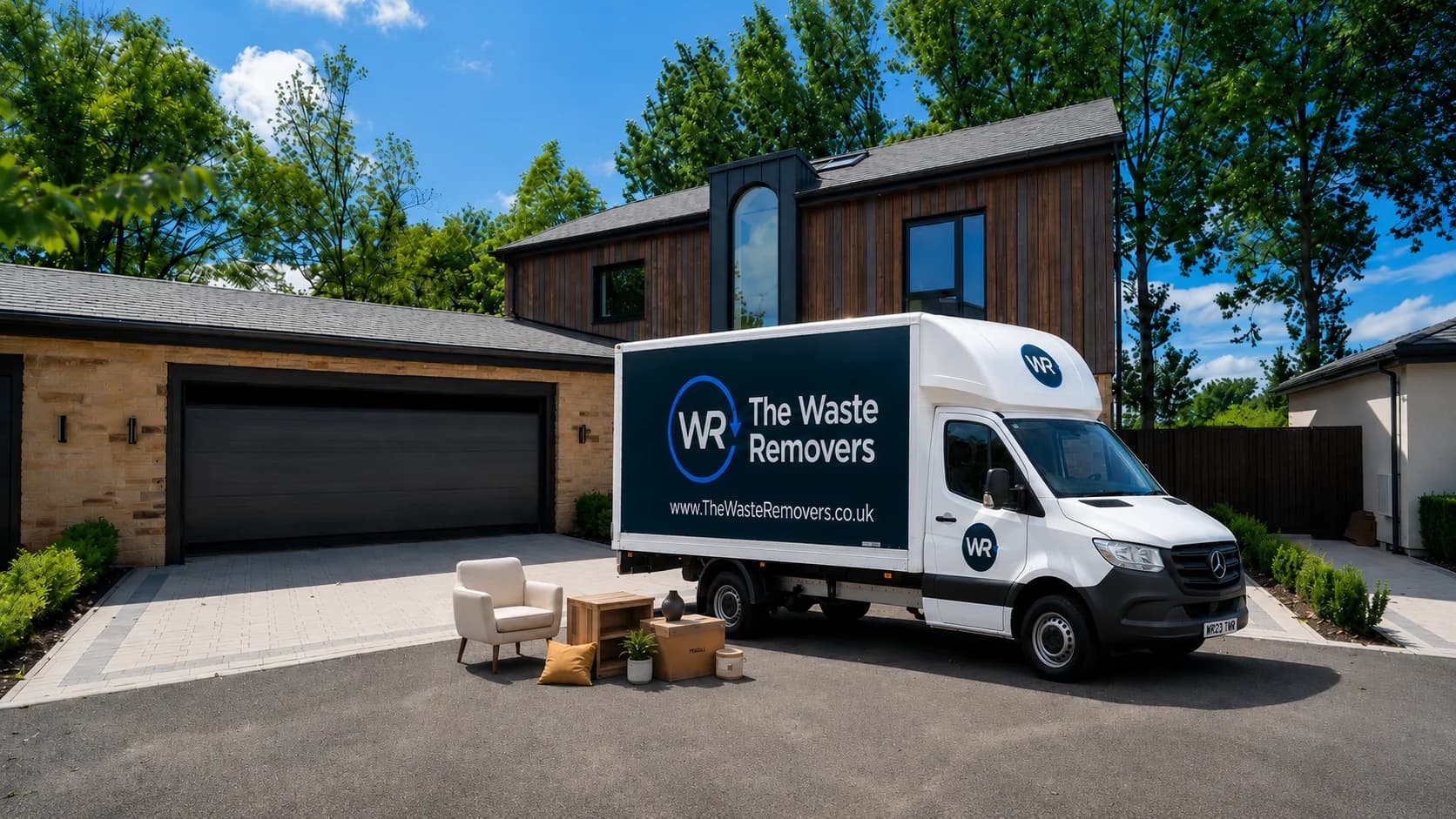
Fitter waste
Kitchen units, bathroom fixtures, packaging, doors, trim, light refit waste and bagged non-hazardous materials cleared after fitting work.
When practical work leaves waste behind, our Halton trade waste service gives fitters, decorators, joiners and small commercial teams a clear way to remove agreed materials with paperwork.
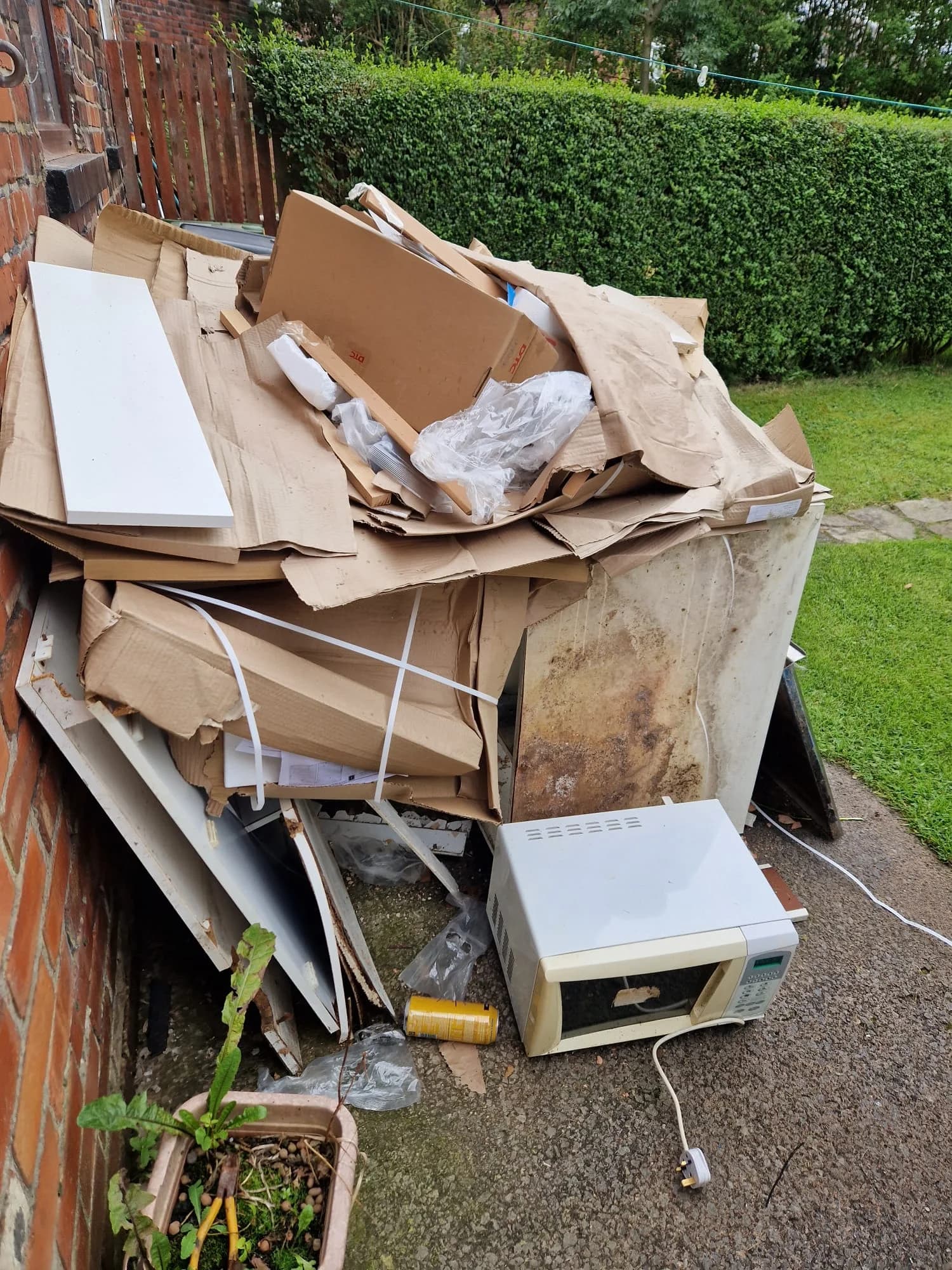
The waste is usually left after leftover materials from practical site work, small refits, repairs and planned upgrades. We can review timber, doors, dismantled units, pallets, packaging, carpet, underlay, metal offcuts and suitable bagged materials before booking.
Anything heavy, separated or controlled needs checking first, especially plasterboard, rubble, soil, tiles, concrete, hardcore and WEEE.
We agree what can be taken, what needs separating and what the price includes before loading starts. Duty of Care records can be supported with invoice, carrier details, digital WTN and completion photos where required.
Paid work, refits and maintenance jobs create trade waste, not ordinary household rubbish. Clear paperwork helps show that the waste was moved by a licensed carrier.
We can support contractor, landlord and business records with invoice, carrier details, digital WTN paperwork and completion photos once the agreed waste has been removed.
We can remove suitable non-hazardous materials such as timber, packaging, pallets, dismantled cupboards, doors, old fixtures, carpet, underlay, cardboard and bagged site waste.
Access notes matter when waste is upstairs, behind gates, in a yard, inside a managed building or stacked away from the vehicle.
Plasterboard, rubble, soil, tiles, concrete, hardcore and WEEE must be declared before booking because they can change the disposal route and price.
Asbestos, chemicals, sharps, clinical waste, gas bottles, fuels, oils, liquid paint, contaminated materials, unknown drums, tyres and hazardous waste are not taken as standard.
Timber offcuts, Doors, Dismantled units, Old fixtures, Pallets, Packaging, Cardboard, Plastic wrap, Carpet and underlay, Metal offcuts, Bagged trade waste
WEEE, Small quantities of tiles, Small quantities of ceramics, Separated heavier materials, Light rubble by agreement, Plasterboard only when declared first
Plasterboard, Rubble, Soil, Concrete, Hardcore, Tiles, WEEE, Liquids or unknown materials
Trade waste is different from ordinary household rubbish because the source of the waste matters. Many jobs follow maintenance work, shop changes, refits, landlord repairs or small business clear-outs where paperwork is needed.
Clear material descriptions help avoid surprises, especially when a load includes heavier waste, separated streams or items that need a different disposal route.
For trades and businesses, the important points are safe loading, correct disposal and a clear record of who handled the waste.
Kitchen units, bathroom fixtures, packaging, doors, trim, light refit waste and bagged non-hazardous materials cleared after fitting work.
Timber offcuts, pallets, dismantled units, doors and suitable worktop pieces removed after joinery, shopfitting or maintenance jobs.
Plasterboard must be declared before quoting and cannot be treated as ordinary mixed waste.
Rubble, soil, tiles, concrete and hardcore need clear description before pricing because disposal and weight can change the job.
Waste can be reviewed from garages, yards, lock-ups, shop fronts, upper floors, managed buildings and agreed collection points.
Invoice, carrier details and digital Waste Transfer Note paperwork can be supplied for contractor, landlord and business records.
A good trade waste enquiry shows what has been left, where it is stored and what needs special handling. That keeps the price, loading plan and paperwork clear before collection.
Show the waste, access route, loading distance and any plasterboard, rubble, tiles, soil, WEEE or heavy materials.
We check waste type, volume, weight, labour, disposal route and paperwork needs before booking.
The agreed non-hazardous trade waste is lifted, loaded and removed from the job area or collection point.
Invoice, carrier details and digital Waste Transfer Note can be sent for Duty of Care records.
For a wider look at trade waste collections, job-site waste and disposal paperwork, visit our main trade waste removal service.
A simple photo record can support handovers, landlord updates, facilities notes and contractor paperwork after collection.
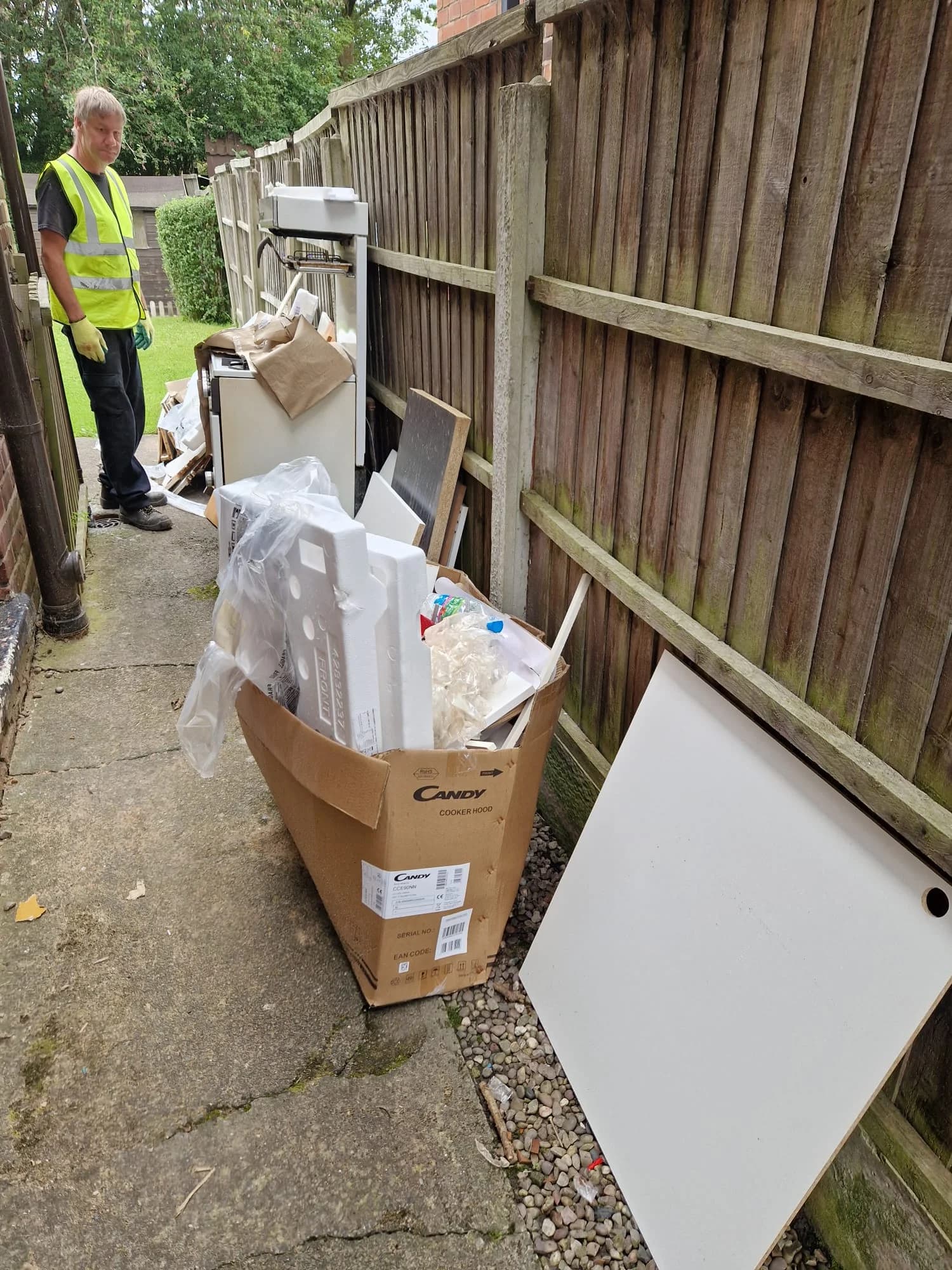
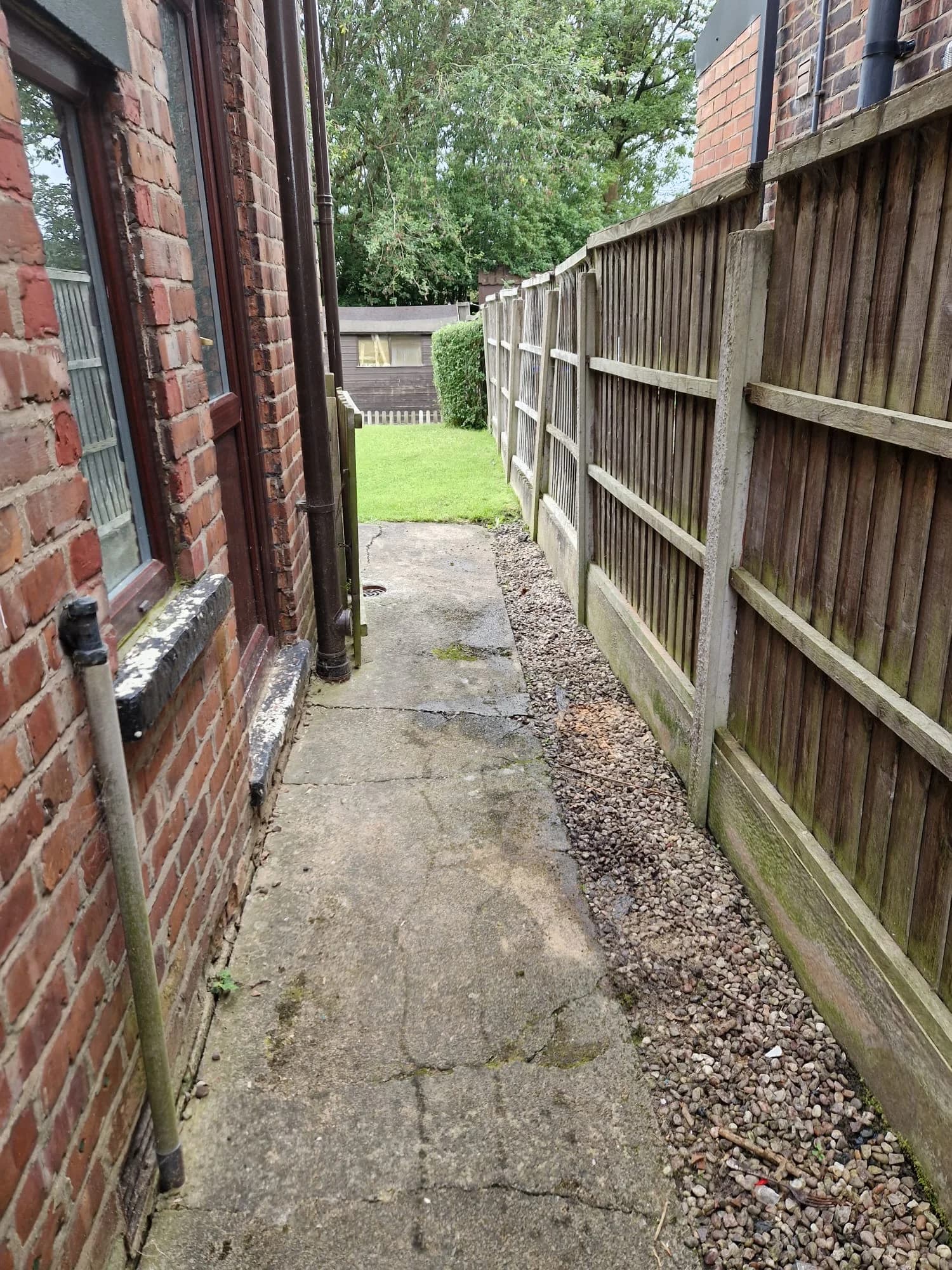
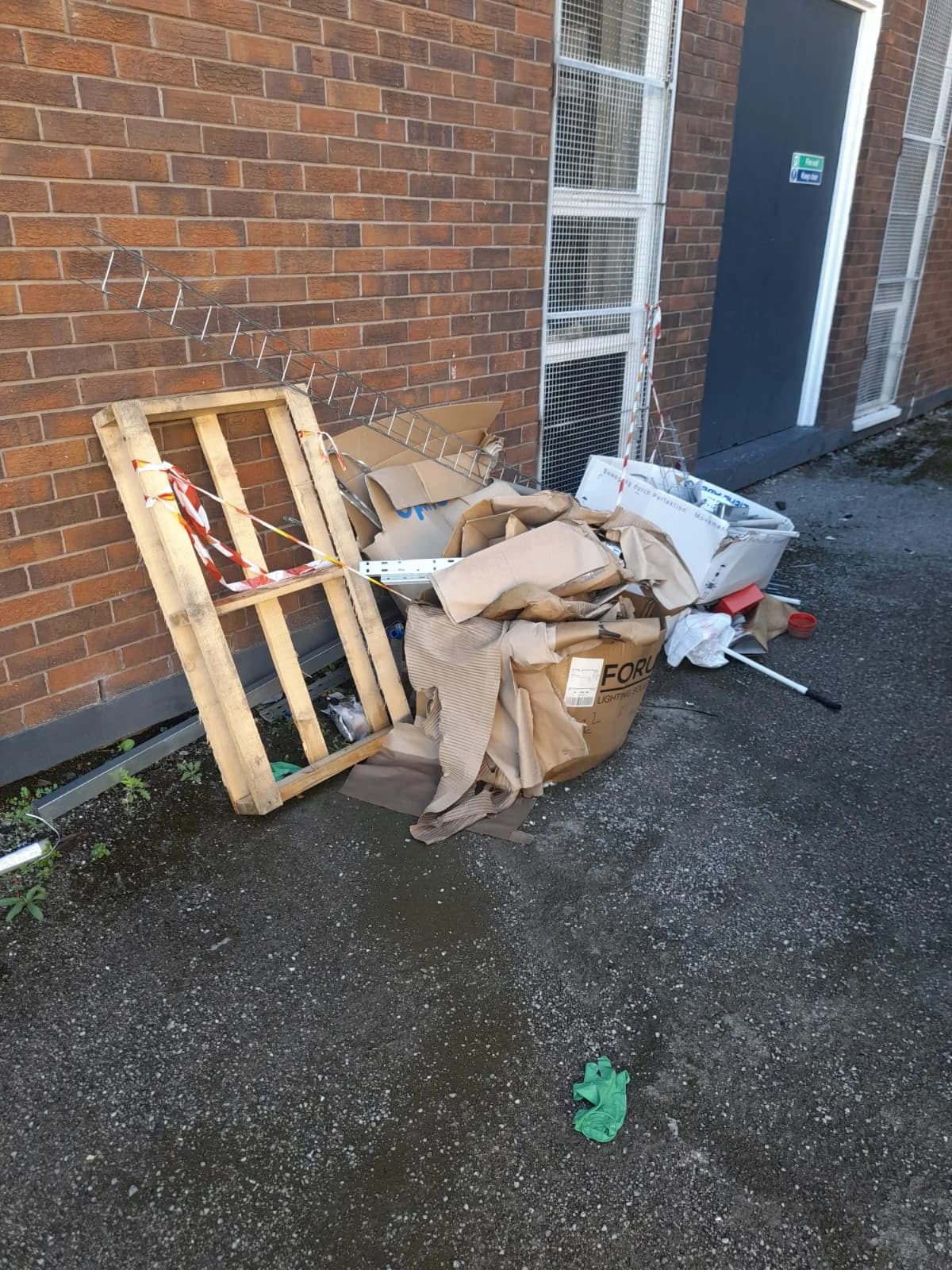
Excellent service - Well mannered, great communication and did the job faster than expected. They even cleaned up after themselves which was a nice touch. Highly recommend using The Waste Removers!
Easy to book, great communication and friendly lads who clearly understand and care about recycling. I will definitely use you again!
Very polite and friendly did a really good job and was value for money
Prefer the general Trade Waste Removal page? View Trade Waste Removal.
Still unsure? These related services may fit better depending on the waste type: Rubbish Removal, Commercial Waste Removal, Property Clearance, Garden Clearance
Prefer to chat? Get in touch with our friendly team.
We cover trade waste removal across Halton and nearby areas including Runcorn and Widnes.
Waste type matters as much as volume, especially where plasterboard, rubble, soil, tiles, WEEE or heavy bags are involved.
Photos of the materials and access route help us confirm the team, vehicle, disposal route, price and paperwork before collection.
Trade waste removal in Widnes can cover packaging, timber offcuts, old fittings and bagged non-hazardous job waste. What is collected, the work needed and the carrying route all influence pricing. Widnes has a strong working-town layout, with older terraces, estates, industrial routes and main roads tied together around the Mersey and the town centre. Appleton, Ditton, Hough Green, Halebank and West Bank all sit within that wider Widnes pattern, each adding a slightly different mix of older housing, estate roads and river or railway edges. The town can shift quickly from retail streets to tighter residential roads and industrial approaches. Make the materials distinguishable in the photos to clarify the quote and set the right collection expectations.
A trade waste removal booking in Runcorn can include refit leftovers, floor coverings, broken units and suitable maintenance waste. We plan the visit around the load itself and how it will be carried out. Runcorn is split between the older town by the Mersey and the later new-town neighbourhoods inland, giving it two very different street patterns. Castlefields and Murdishaw bring in the estate and busway side of Runcorn, while the old town and promenade have a tighter, older street pattern. Bridges, main roads and separated estate layouts shape everyday movement around Runcorn. Project documentation can include the collection invoice and a digital Waste Transfer Note.
For a trade waste removal visit in Sandymoor, confirm the load, parking position and any stairs or gates. Sandymoor is a newer residential area on Runcorn’s eastern edge, with modern estates, wider roads and green corridors running towards Daresbury and Moore. It feels more open and planned than older Runcorn neighbourhoods such as the old town or Castlefields. The nearby Sci-Tech Daresbury and motorway-side routes add a business-park edge, while the surrounding villages quickly bring in quieter lanes and more spread-out homes. This gives the team a practical basis for planning the Sandymoor visit without making assumptions about access.
A trade waste removal quote for Preston Brook starts with clear photos of the load and collection access. Preston Brook sits on the edge of Halton where the canal, business parks, village roads and motorway links all meet. The roads towards Daresbury, Moore and the M56 corridor give Preston Brook a more semi-rural edge than the larger Halton towns, with business parks, canal-side pockets and village roads close together. The area is shaped by its mix of village streets, through-routes and canal-side geography. In Preston Brook, the final price can then reflect the load itself, the work involved and the available collection route.
For a trade waste removal visit in Hale, confirm the load, parking position and any stairs or gates. Hale has a centre of its own, but the roads out to nearby villages are just as important to how the place feels. Halebank and the Speke-side lanes give Hale a Mersey-edge character, with village roads, older cottages and small residential pockets sitting close to open land and airport-side routes. Around Hale Lighthouse, properties can shift from pavement-front cottages to larger drives and outbuildings within a few minutes of each other. For the Hale collection, confirm hazardous or unusual materials separately so the correct route can be agreed.
Tell us what trade waste is ready to go, where it is stored and what records you need after collection. We will confirm the price and paperwork before the team arrives in Halton.