
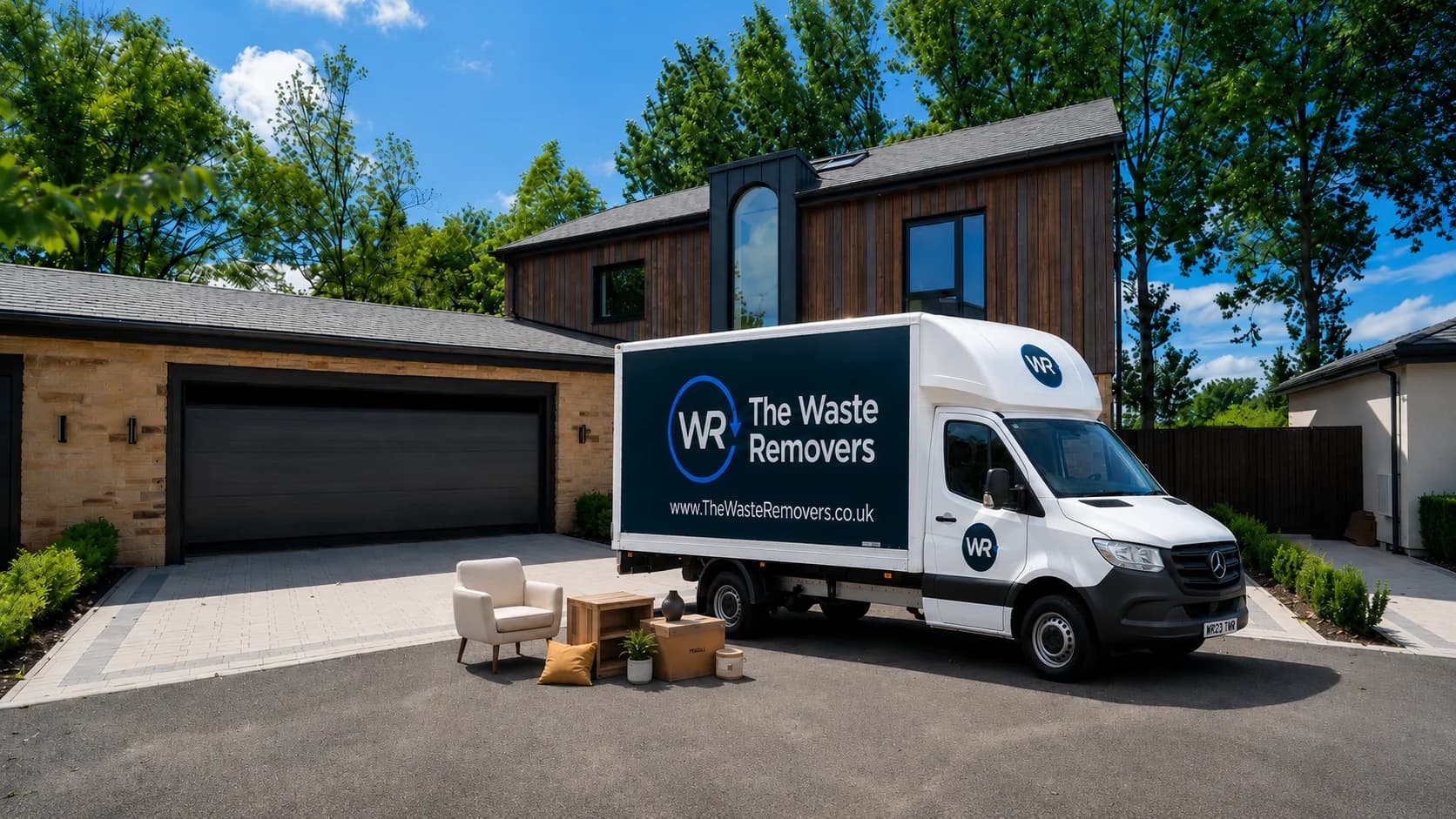
Fitter waste
Leftover fitting materials such as units, fixtures, trim, doors, packaging and suitable bagged waste removed after a job has finished.
When practical work leaves waste behind, our Sefton trade waste service gives contractors, shopfitters, landlords and facilities teams a clear way to remove agreed materials with paperwork.
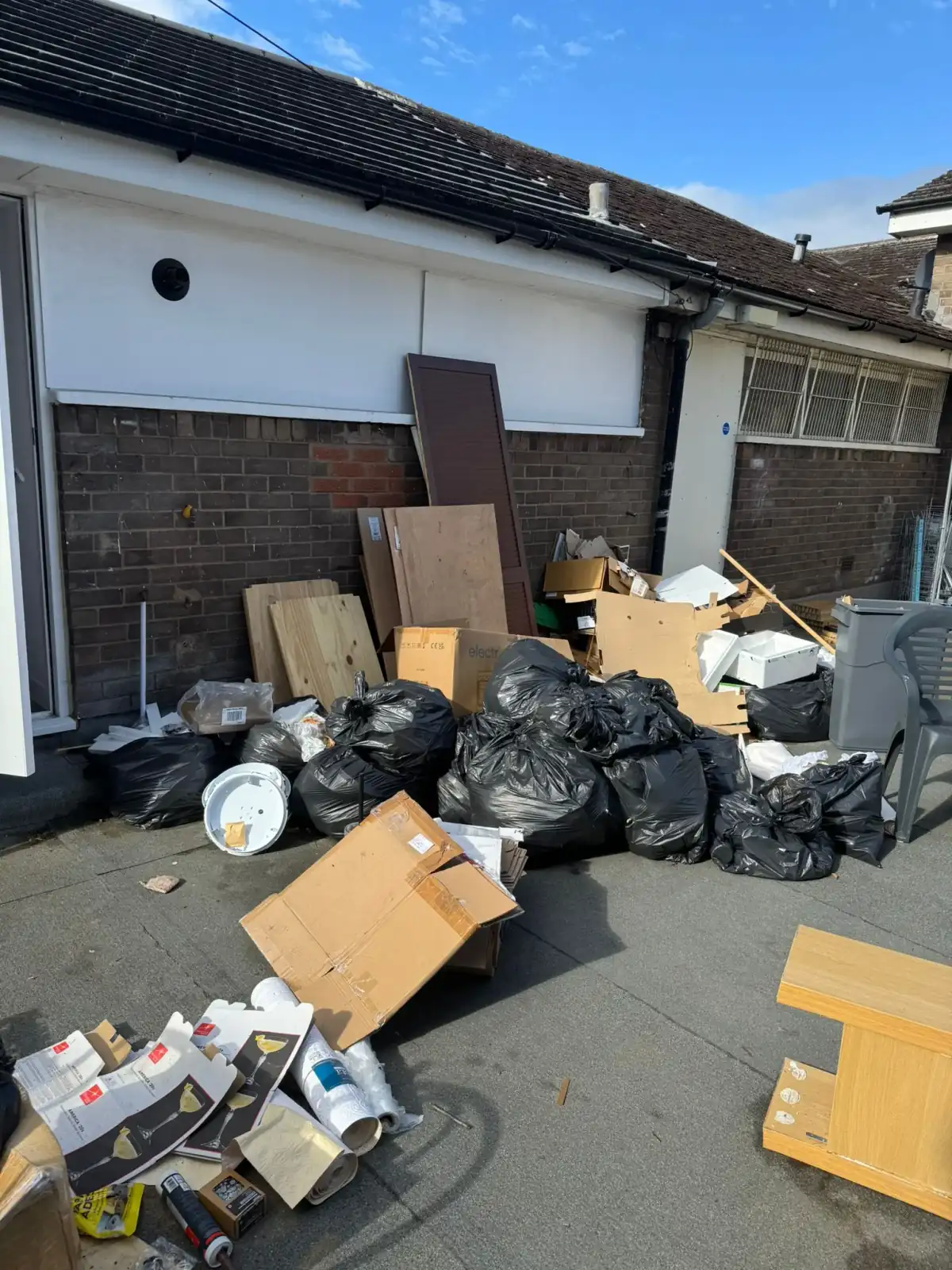
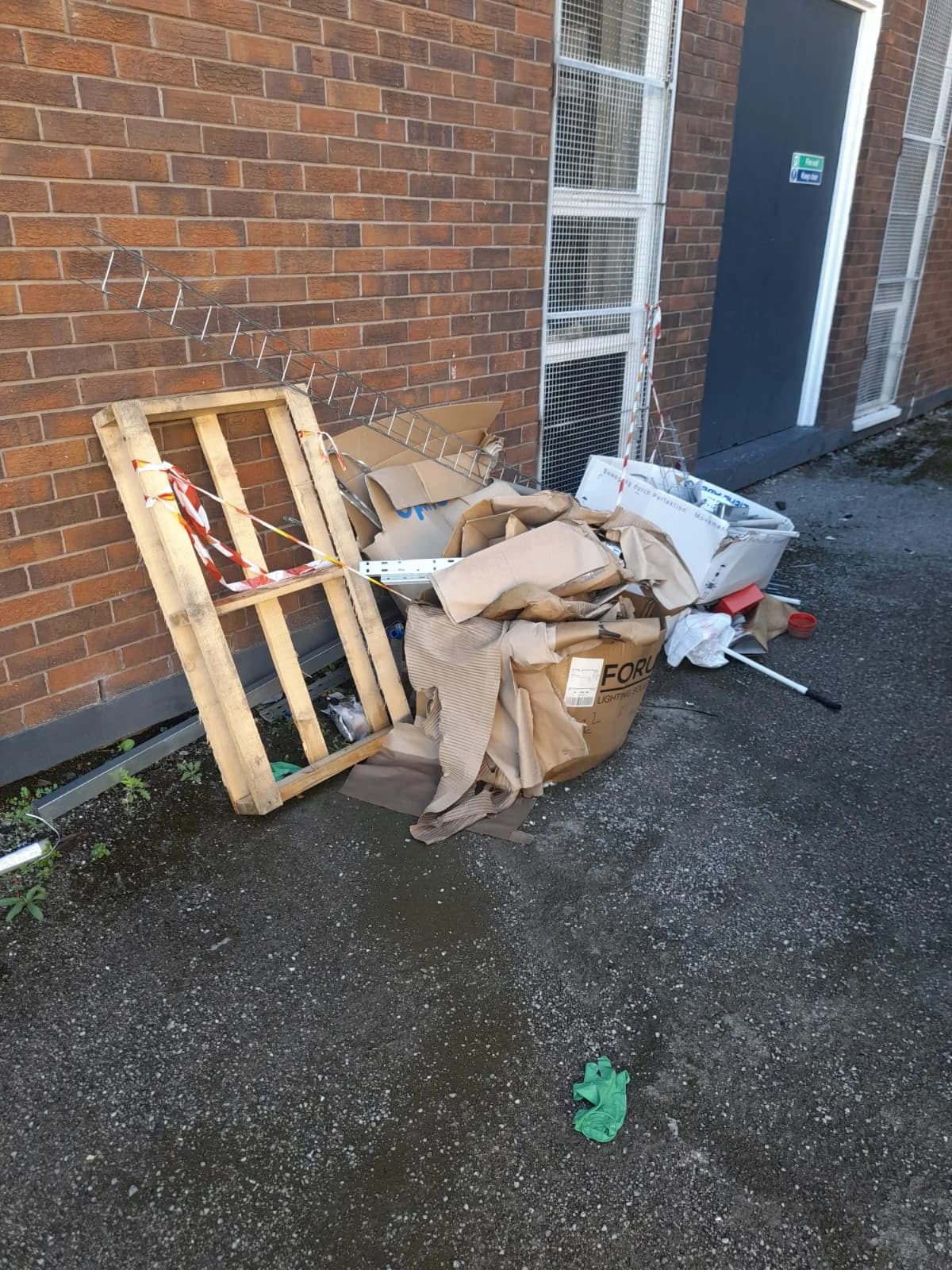
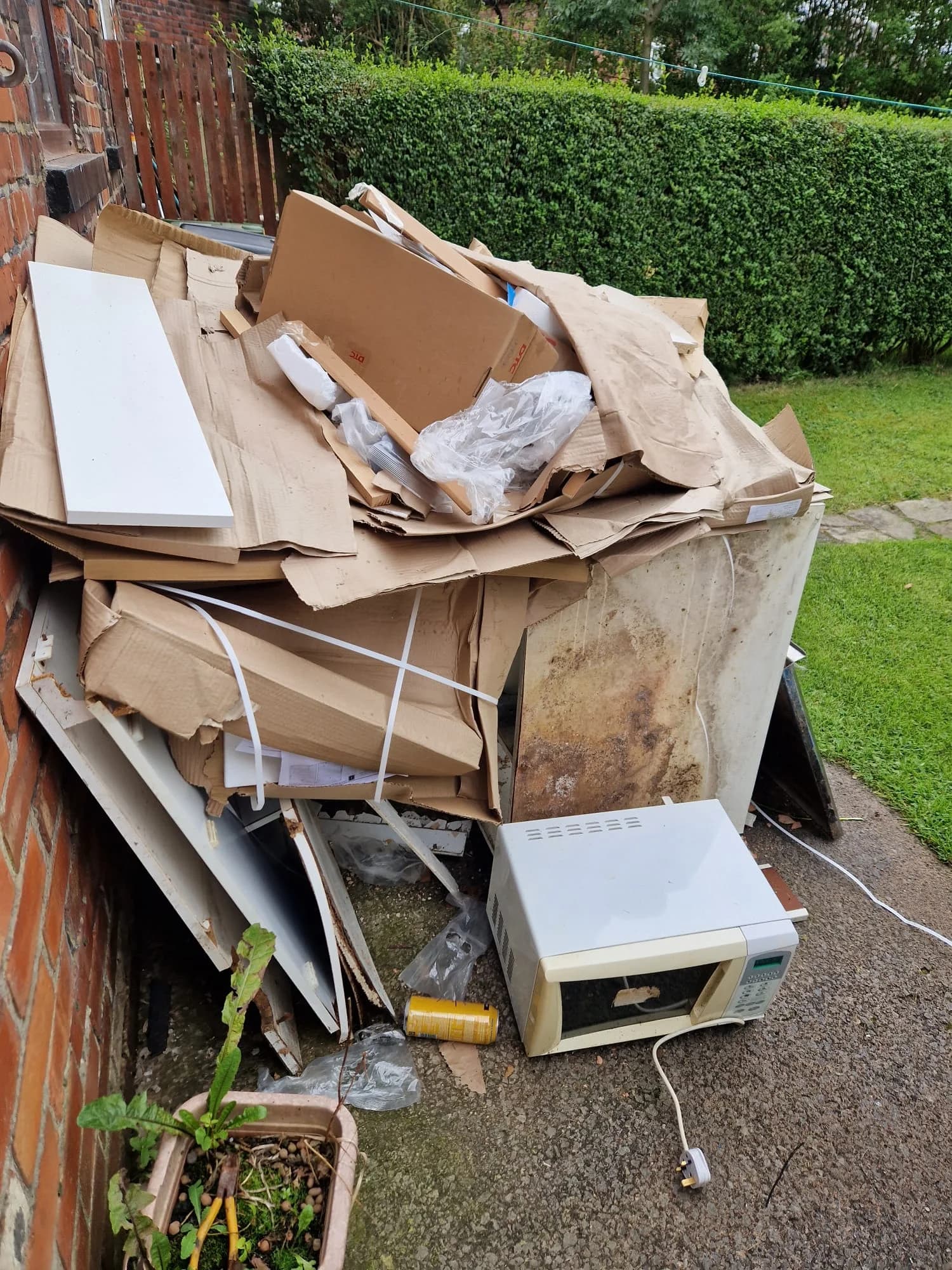
The waste is usually left after refits, planned maintenance, lease handbacks, strip-outs of loose fixtures and end-of-project tidy-ups. We can review timber, doors, dismantled units, pallets, packaging, carpet, underlay, metal offcuts and suitable bagged materials before booking.
Anything heavy, separated or controlled needs checking first, especially plasterboard, rubble, soil, tiles, concrete, hardcore and WEEE.
We agree what can be taken, what needs separating and what the price includes before loading starts. Duty of Care records can be supported with invoice, carrier details, digital WTN and completion photos where required.
Paid work, refits and maintenance jobs create trade waste, not ordinary household rubbish. Clear paperwork helps show that the waste was moved by a licensed carrier.
We can support contractor, landlord and business records with invoice, carrier details, digital WTN paperwork and completion photos once the agreed waste has been removed.
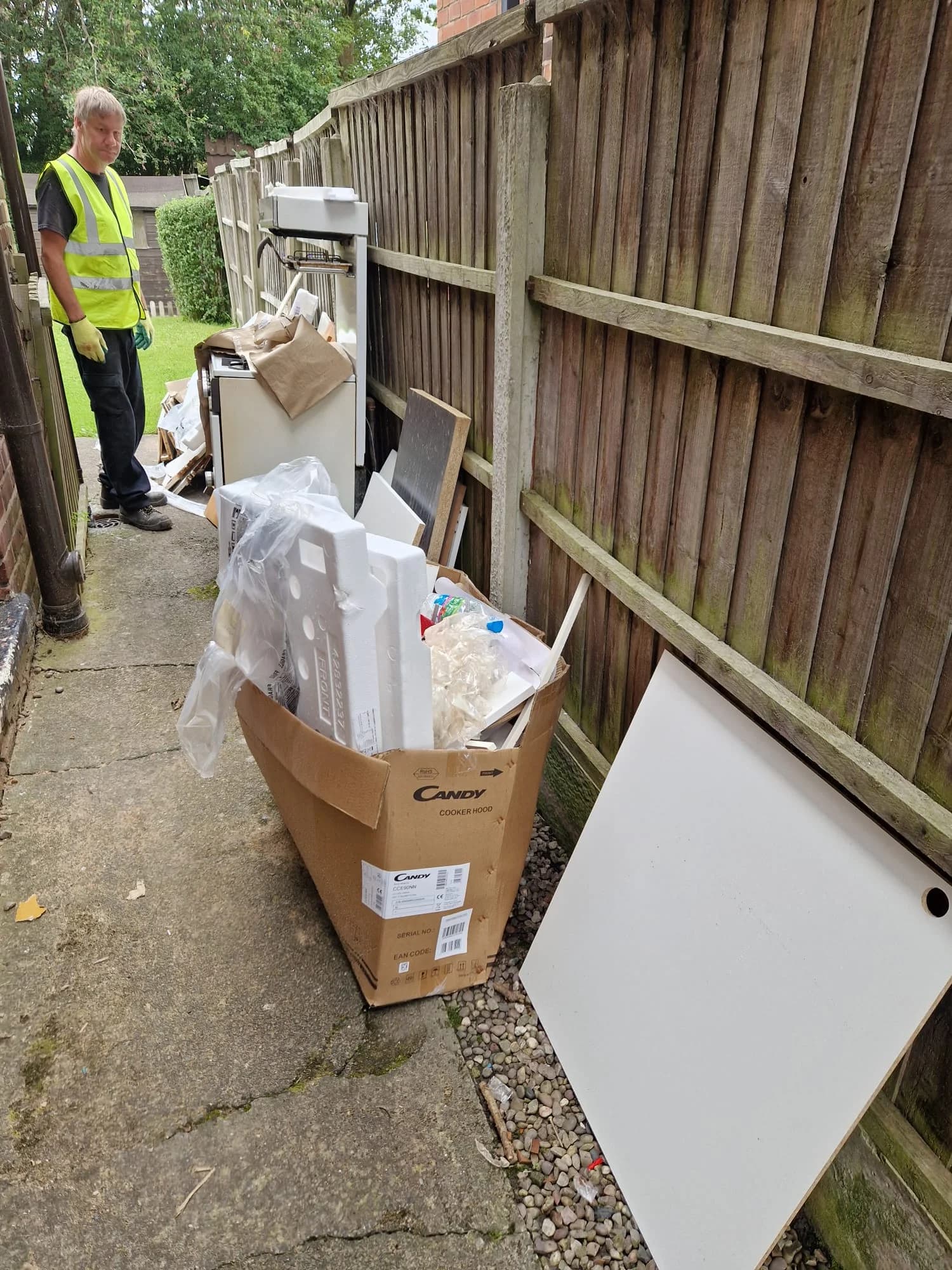
We can remove suitable non-hazardous materials such as timber, packaging, pallets, dismantled cupboards, doors, old fixtures, carpet, underlay, cardboard and bagged site waste.
Access notes matter when waste is upstairs, behind gates, in a yard, inside a managed building or stacked away from the vehicle.
Plasterboard, rubble, soil, tiles, concrete, hardcore and WEEE must be declared before booking because they can change the disposal route and price.
Asbestos, chemicals, sharps, clinical waste, gas bottles, fuels, oils, liquid paint, contaminated materials, unknown drums, tyres and hazardous waste are not taken as standard.
Timber offcuts, Doors, Dismantled units, Old fixtures, Pallets, Packaging, Cardboard, Plastic wrap, Carpet and underlay, Metal offcuts, Bagged trade waste
WEEE, Small quantities of tiles, Small quantities of ceramics, Separated heavier materials, Light rubble by agreement, Plasterboard only when declared first
Plasterboard, Rubble, Soil, Concrete, Hardcore, Tiles, WEEE, Liquids or unknown materials
Trade waste is different from ordinary household rubbish because the source of the waste matters. Coastal and visitor-area work often comes with tight handover dates, rental resets, shop refits and mixed maintenance waste.
Clear material descriptions help avoid surprises, especially when a load includes heavier waste, separated streams or items that need a different disposal route.
For trades and businesses, the important points are safe loading, correct disposal and a clear record of who handled the waste.
Leftover fitting materials such as units, fixtures, trim, doors, packaging and suitable bagged waste removed after a job has finished.
Pallets, timber, doors, offcuts and loose wood from joinery, flooring, shopfitting or repair work can be collected where suitable.
Any plasterboard needs to be listed before booking because it may need separate pricing or a different disposal route.
Heavy materials such as rubble, soil, tiles, concrete and hardcore must be described so we can confirm whether they can be taken.
Tell us where the waste is stored, how far it must be carried and whether there are stairs, lifts, yards, gates or site rules.
After collection, paperwork can include invoice, carrier details, digital WTN and completion photos where needed.
A good trade waste enquiry shows what has been left, where it is stored and what needs special handling. That keeps the price, loading plan and paperwork clear before collection.
Send photos of the waste, where it is stored, the route out and anything that may need separate handling.
The quote is based on material type, amount, access, loading distance, disposal route and records needed.
The team loads only the agreed suitable waste from the site, yard, unit, room or collection point.
After collection, you can receive invoice, carrier details, digital WTN and completion photos where required.
For a wider look at trade waste collections, job-site waste and disposal paperwork, visit our main trade waste removal service.
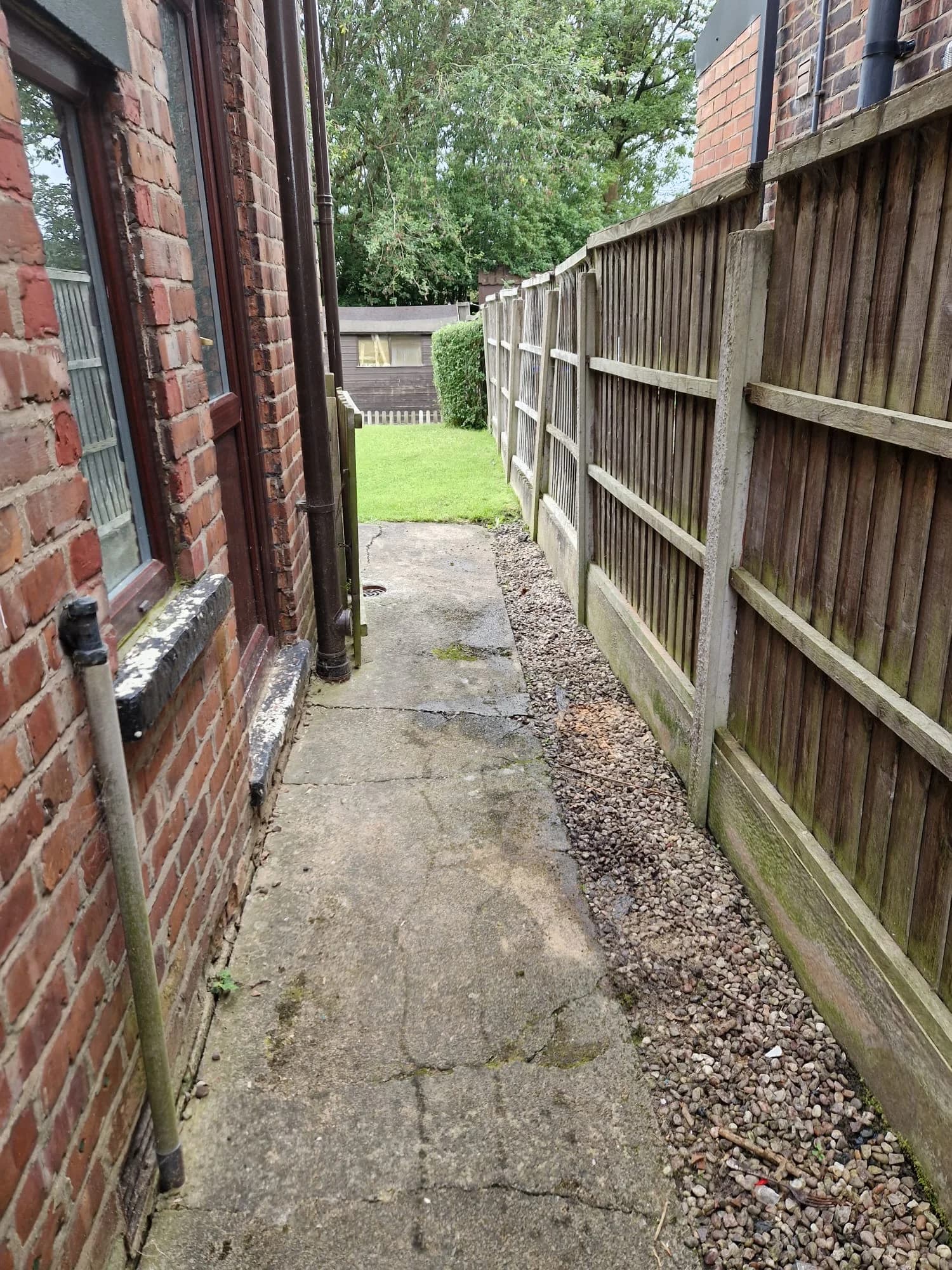
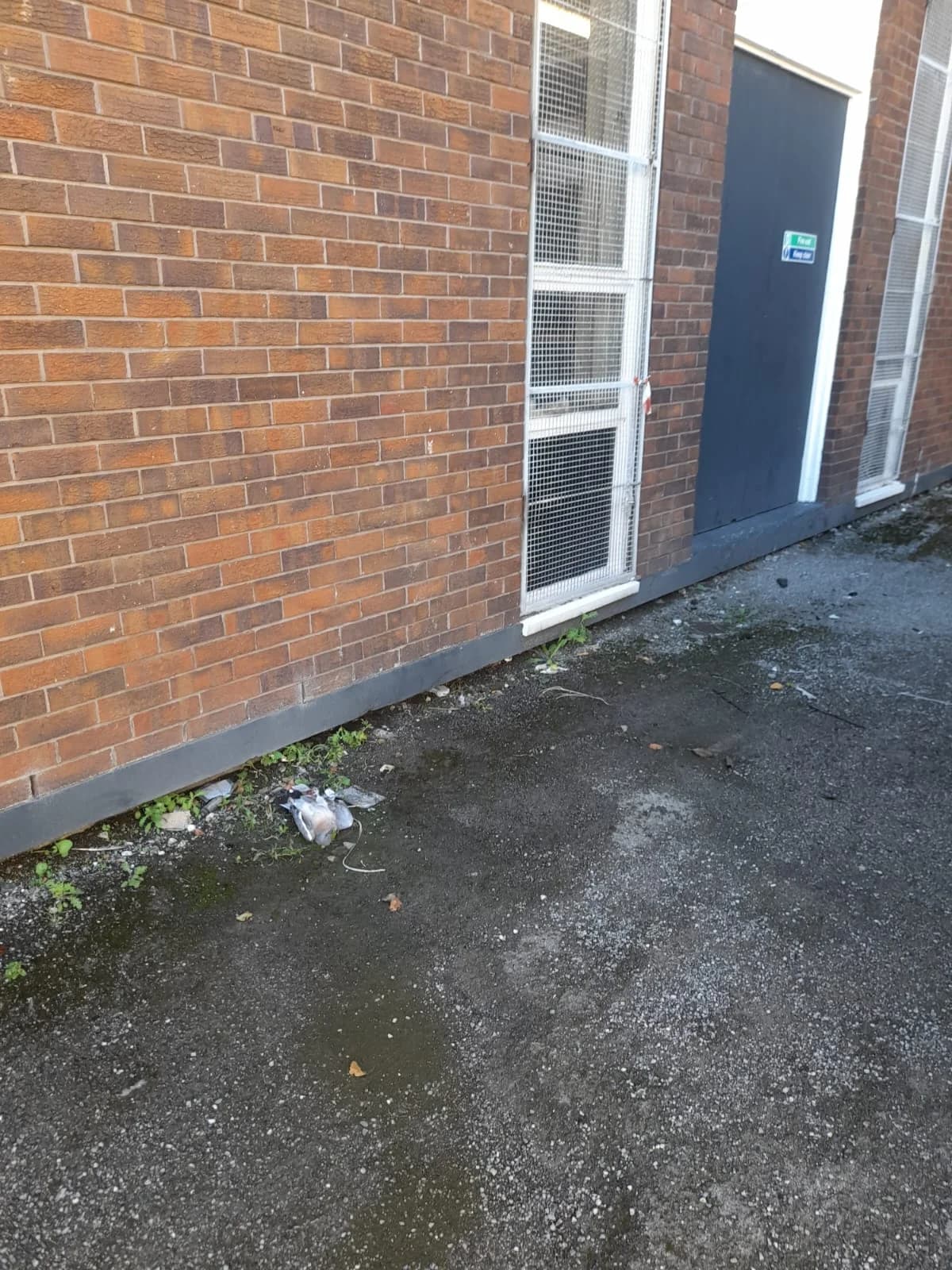
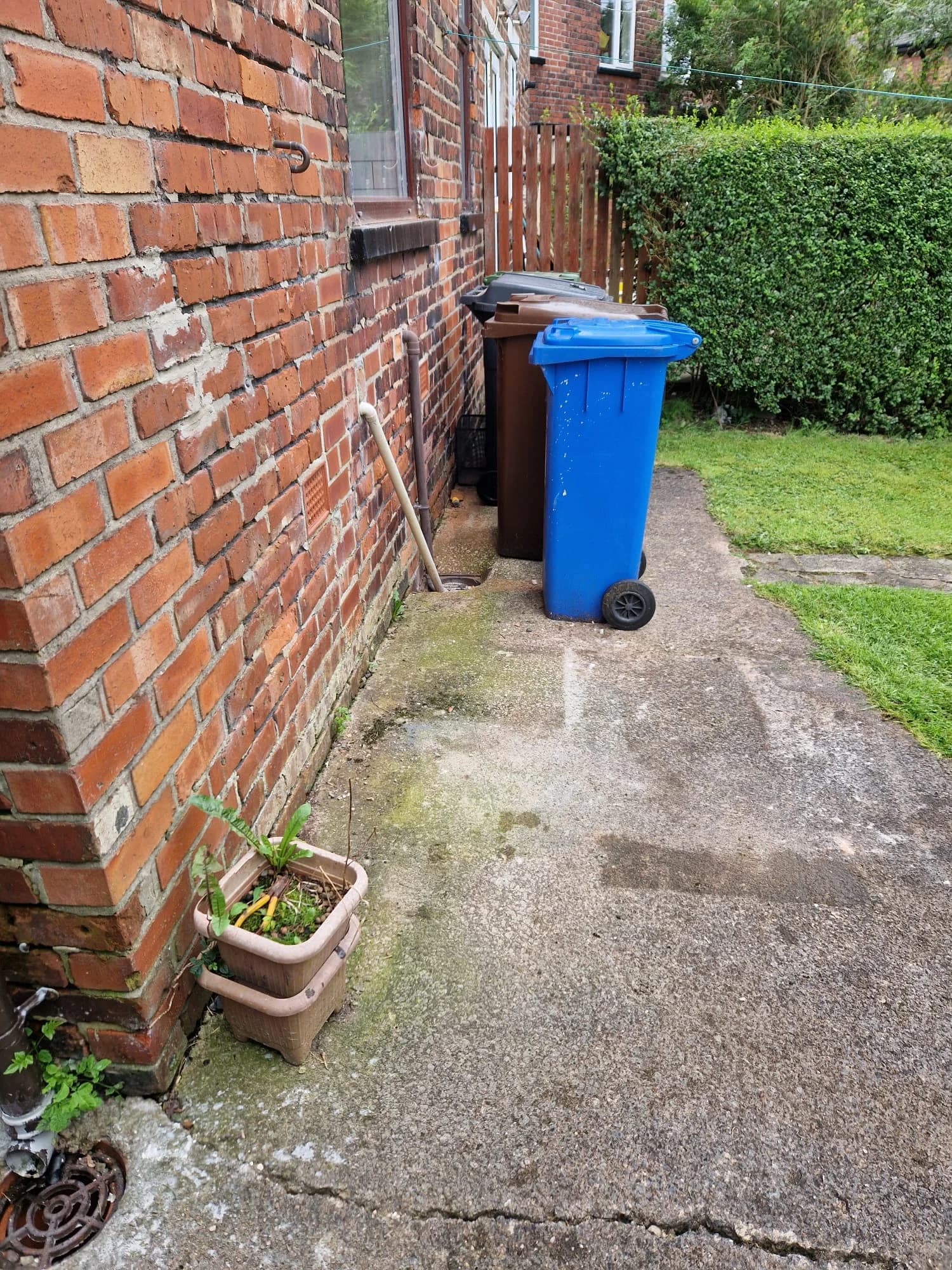
A simple photo record can support handovers, landlord updates, facilities notes and contractor paperwork after collection.
Excellent service - Well mannered, great communication and did the job faster than expected. They even cleaned up after themselves which was a nice touch. Highly recommend using The Waste Removers!
Easy to book, great communication and friendly lads who clearly understand and care about recycling. I will definitely use you again!
Very polite and friendly did a really good job and was value for money
Prefer the general Trade Waste Removal page? View Trade Waste Removal.
Still unsure? These related services may fit better depending on the waste type: Rubbish Removal, Commercial Waste Removal, Property Clearance, Garden Clearance
Prefer to chat? Get in touch with our friendly team.
We cover trade waste removal across Sefton and nearby areas including Southport, Bootle, Formby and Maghull.
Waste type matters as much as volume, especially where plasterboard, rubble, soil, tiles, WEEE or heavy bags are involved.
Photos of the materials and access route help us confirm the team, vehicle, disposal route, price and paperwork before collection.
The starting point for trade waste removal in Bootle is a clear view of the items and access. The agreed load might include pallets, cardboard, fixtures and sorted waste from fitting or repair work. Bootle is a dense, working town with docks-side history, terraced streets, estates, flats and busy roads running towards Liverpool. Litherland, Seaforth and Netherton all sit close enough to share the same north Liverpool edge, but each brings a slightly different housing pattern. The area is shaped by its mix of older terraces, main roads, estate layouts and railway lines rather than as a generic suburb. The completed collection can be documented with an invoice and digital Waste Transfer Note for the job file.
To price trade waste removal in Crosby, provide the item list, photos and details of the route outside. Crosby stretches from the coast and Marine Lake side into residential roads around Blundellsands, Waterloo and Great Crosby, with larger homes, terraces and apartments mixed across a compact area. Blundellsands sits close enough to Crosby to share coastal roads, station-side streets and larger residential pockets. In Crosby, a few minutes can take you from promenade-facing roads and coastal apartments to side streets, bungalows and larger homes around Blundellsands and the station side. For Crosby, these details let the quote account for volume, labour, carrying distance and access restrictions.
Trade waste removal in Formby can cover pallets, cardboard, fixtures and sorted waste from fitting or repair work. A job quote considers the contents alongside carrying demands and loading access. Formby has a coastal feel, but step back from the front and it quickly becomes a settled residential area. The streets around Formby village centre and the station side show the residential side of the town: side roads, school traffic, larger homes and pockets of tighter parking. Formby’s residential side is strongest around the village, station and pinewood-edge roads, where larger homes, side streets and school-time traffic replace the open coastal feel. Plasterboard, soil, rubble, tiles and other dense materials must be identified because weight and disposal requirements change the price.
Trade waste removal for a Maghull address can include refit leftovers, floor coverings, broken units and suitable maintenance waste, with the agreed items lifted and loaded by the collection team. Maghull is spread along the A59 and the rail line, with a defined centre, large suburban estates and village-edge roads towards Lydiate and Melling. Aintree links Maghull towards Liverpool through the racecourse, retail parks and rail corridor, creating a busier southern edge than the quieter roads towards Lydiate. Maghull station and the A59 make the centre busy at peak times, while the estates behind it are quieter and more spread out. Plasterboard, soil, rubble, tiles and other dense materials must be identified because weight and disposal requirements change the price.
The starting point for trade waste removal in Southport is a clear view of the items and access. The agreed load might include refit leftovers, floor coverings, broken units and suitable maintenance waste. In Southport, the seafront gives the area its identity, while the roads behind it show the real mix of flats, terraces, bungalows and side streets. Around Southport Town Hall, side streets and residential pockets sit close to Lord Street, the station side and busier routes through the centre. Paint, chemicals, gas cylinders, asbestos and other hazardous materials must be declared because they are not standard trade waste.
Tell us what trade waste is ready to go, where it is stored and what records you need after collection. We will confirm the price and paperwork before the team arrives in Sefton.