
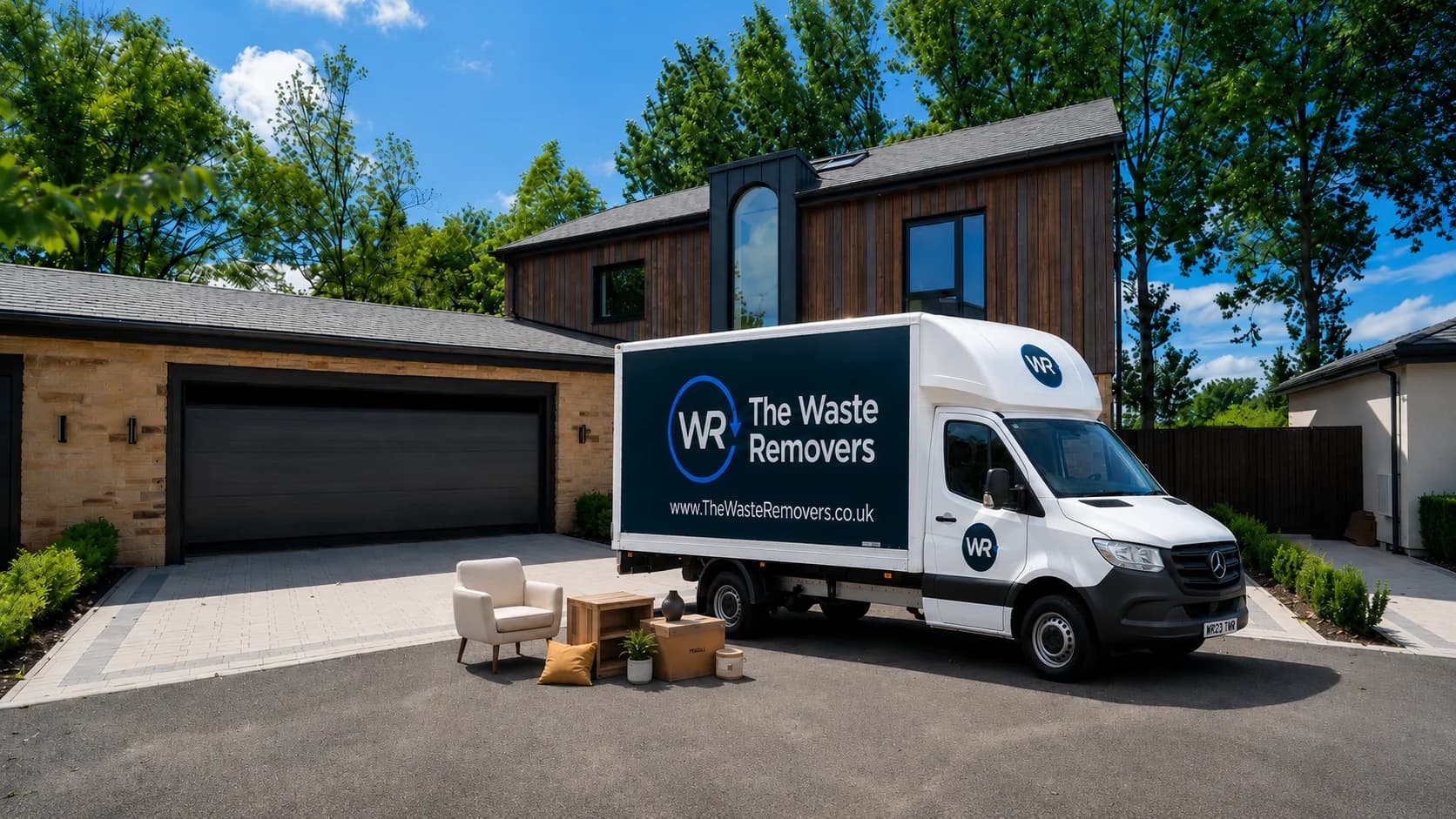
Fitter waste
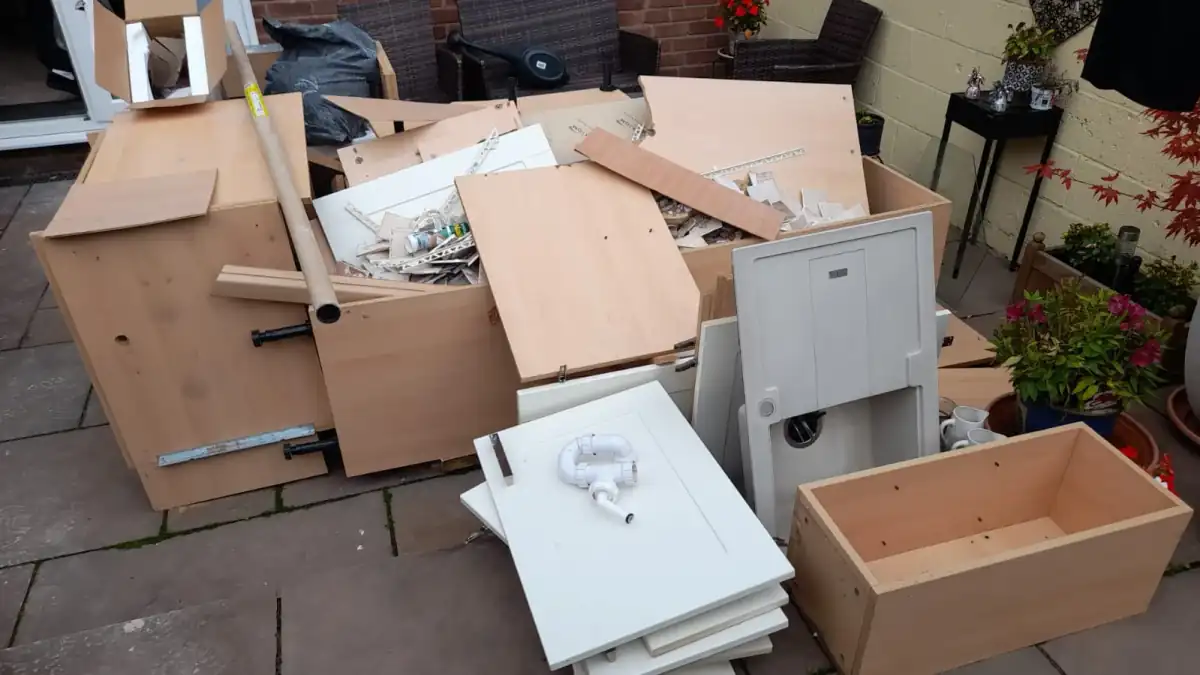
Kitchen, bathroom and fitting waste can be reviewed from photos so suitable materials are loaded and documented correctly.
The Waste Removers provide trade waste removal in Manchester for fitters, decorators, joiners and small commercial teams that need one-off waste cleared after paid work, repairs or practical site activity.
Typical jobs follow leftover materials from practical site work, small refits, repairs and planned upgrades. Loads can include timber offcuts, doors, dismantled units, old fixtures, packaging, pallets, cardboard, plastic wrap, carpet, underlay, metal offcuts and bagged non-hazardous trade waste.
Plasterboard, rubble, soil, tiles, concrete, hardcore and WEEE must be declared before booking because they can change the disposal route and price.
Before work starts, we confirm the material list, volume, access, loading distance, restricted items, paperwork needs and price. After collection, invoice, carrier details, digital Waste Transfer Note and photo records can be supplied where needed.
Trade waste cannot be treated like ordinary household rubbish. If waste comes from paid work, property maintenance, refits or business activity, you need a clear record of who collected it and where it was transferred.
The Waste Removers are registered waste carriers, with public liability and employers’ liability insurance in place. Trade waste jobs can be documented with invoice, digital Waste Transfer Note, carrier details and completion photos where needed.
Typical loads include timber offcuts, packaging, pallets, cardboard, plastic wrap, dismantled units, old doors, suitable worktop pieces, carpet, underlay, metal offcuts and bagged contractor waste.
Waste can be loaded from rooms, garages, yards, lock-ups, shop fronts, upper floors, managed buildings or agreed collection points where access is safe.
Tell us before booking if the load includes plasterboard, rubble, soil, tiles, hardcore, concrete, WEEE, heavy bags or separated materials.
Asbestos, chemicals, sharps, clinical waste, gas bottles, fuels, oils, liquid paint, contaminated materials, unknown drums, tyres and hazardous waste are not taken as standard.
Timber offcuts, Doors, Dismantled units, Old fixtures, Pallets, Packaging, Cardboard, Plastic wrap, Carpet and underlay, Metal offcuts, Bagged trade waste
WEEE, Small quantities of tiles, Small quantities of ceramics, Separated heavier materials, Light rubble by agreement, Plasterboard only when declared first
Plasterboard, Rubble, Soil, Concrete, Hardcore, Tiles, WEEE, Liquids or unknown materials
Trade waste removal is useful once the work is finished but the leftover materials still need proper loading, disposal and records. City and town-centre jobs often need clearer access notes, especially where waste is inside a managed building or a trading premises.
A useful enquiry includes photos, a material list, the loading point, site rules, heavy items and anything that may need separating before disposal.
The aim is simple: remove the agreed waste, keep restricted material out of the wrong load and provide the paperwork needed for contractor, landlord or business records.
Kitchen, bathroom and fitting waste can be reviewed from photos so suitable materials are loaded and documented correctly.
Wood, pallets, dismantled units and suitable worktop pieces can be loaded from agreed collection points once the material list is clear.
Do not mix plasterboard into a general trade waste load without telling us first. It needs checking before the collection is agreed.
Tiles, soil, rubble, concrete and heavy bags can change loading time, vehicle choice and disposal cost, so they must be raised early.
Access details help us plan safe loading from job areas, units, garages, yards, upper floors and managed premises.
Contractors, landlords and businesses can request the records needed to show the waste transfer was documented.
A clear material list and photos help us quote properly before the job is booked. Identify plasterboard, rubble, soil, tiles, WEEE, liquids, heavy bags or anything unusual from the start.
Share the material list, photos, postcode, access notes and any deadline before the quote is confirmed.
We confirm what can be taken, what needs declaring separately and what the price includes before collection.
Agreed materials are lifted, loaded and removed safely where access is clear and suitable.
Paperwork can be supplied after collection so contractors, landlords and businesses have a clear record.
For a wider look at trade waste collections, job-site waste and disposal paperwork, visit our main trade waste removal service.
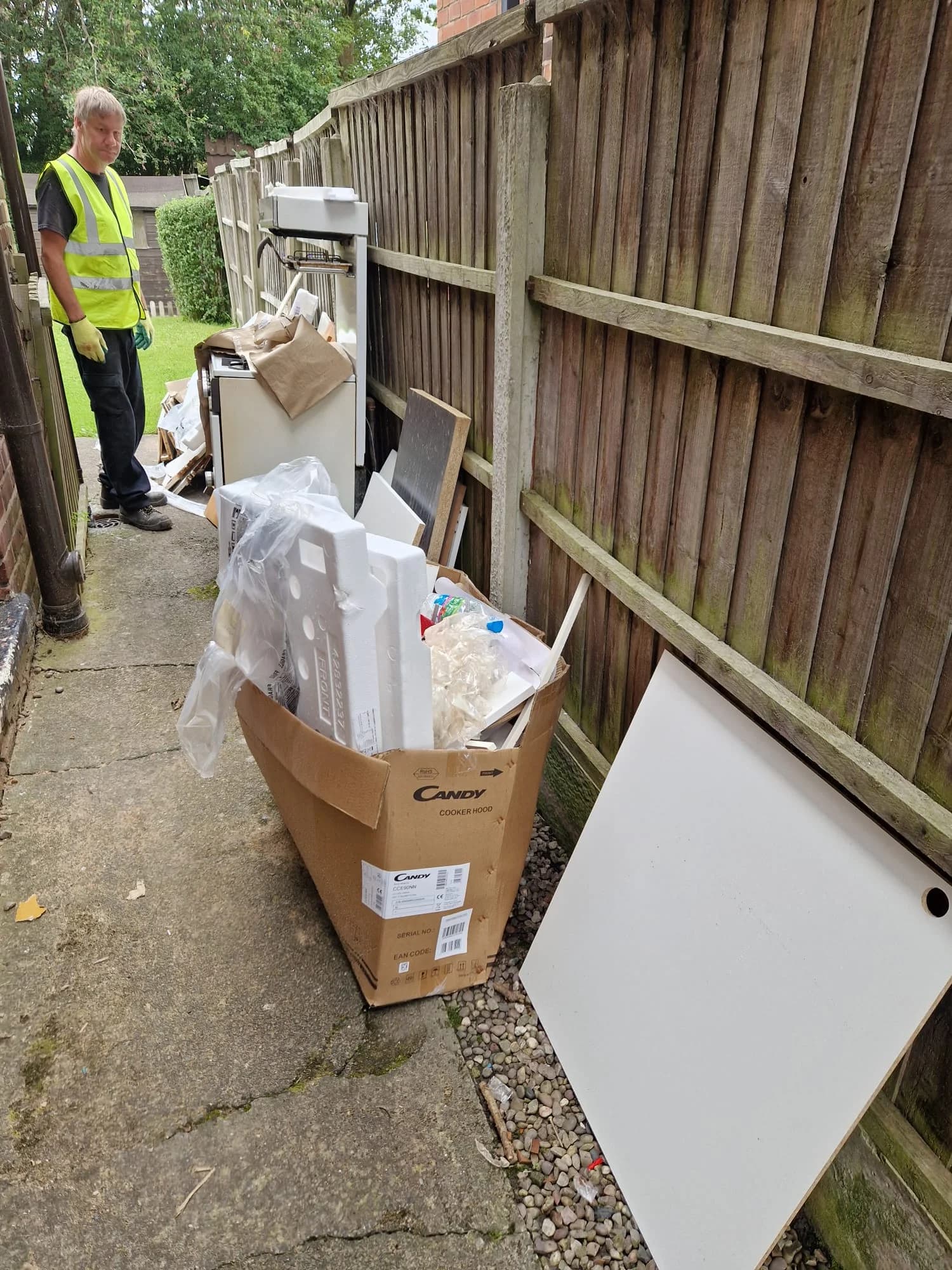
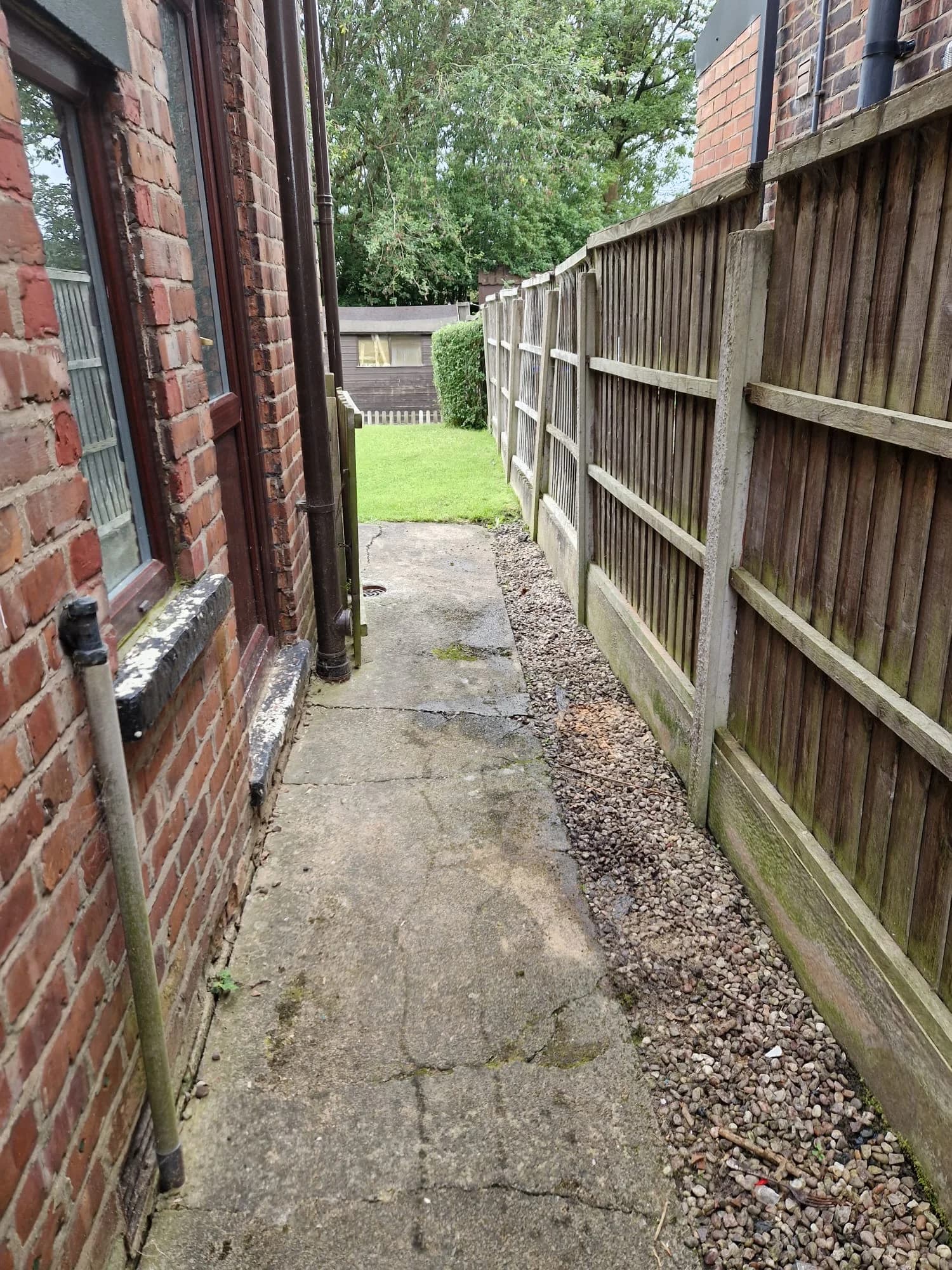
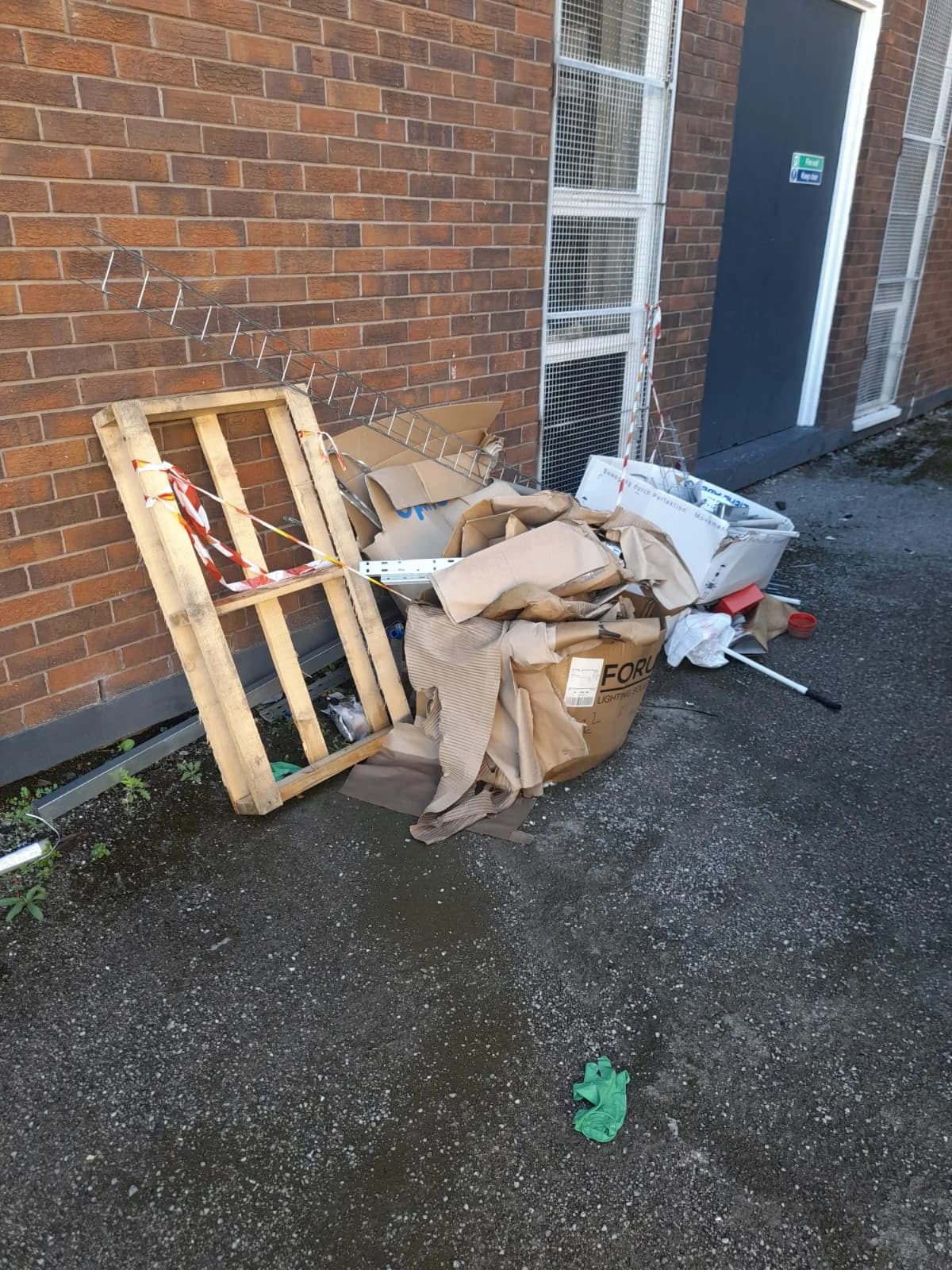
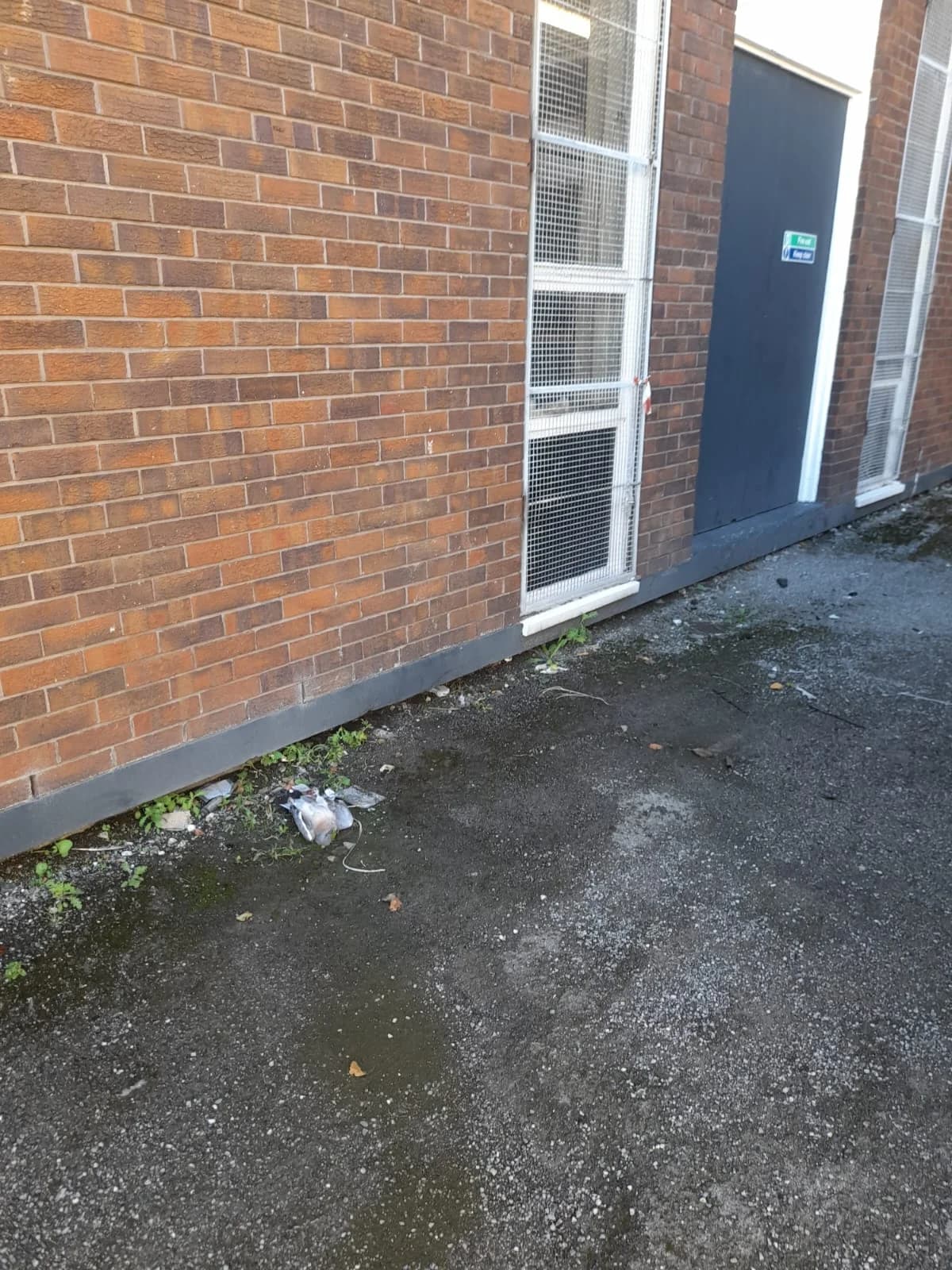
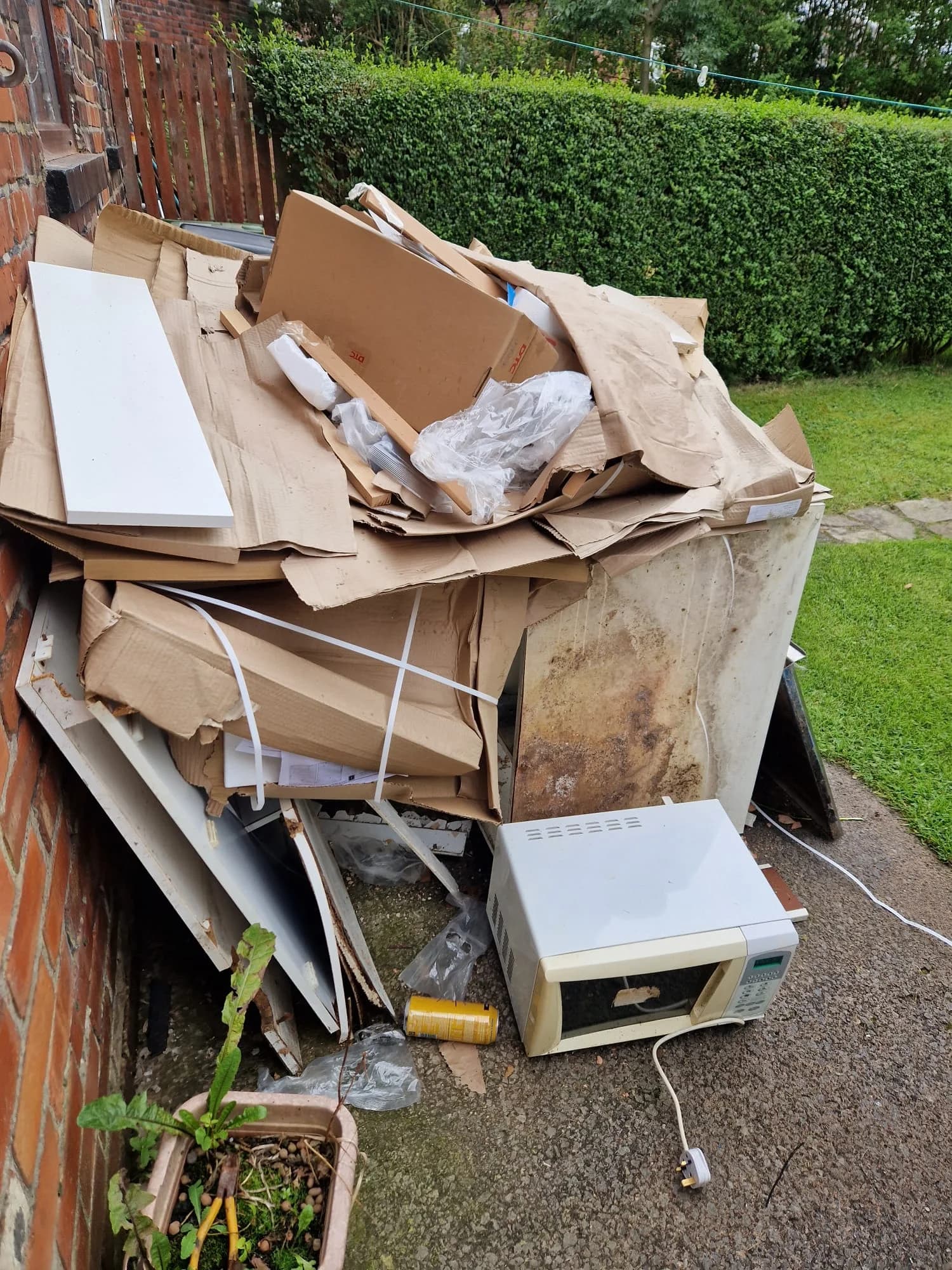
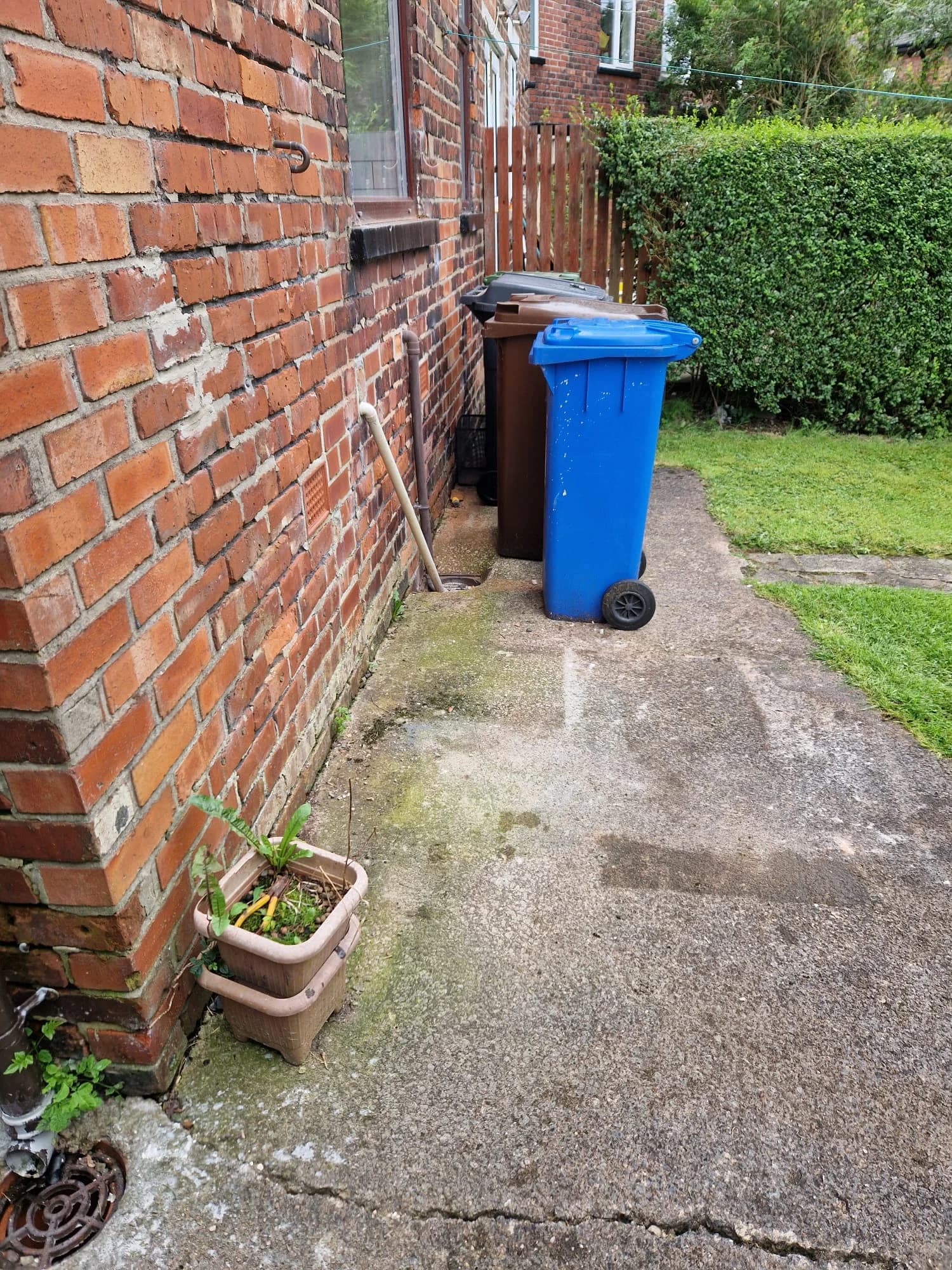
Before-and-after photos can help contractors, landlords and business owners confirm that agreed waste was removed and the area was left clear after the job.
Excellent service - Well mannered, great communication and did the job faster than expected. They even cleaned up after themselves which was a nice touch. Highly recommend using The Waste Removers!
Easy to book, great communication and friendly lads who clearly understand and care about recycling. I will definitely use you again!
Very polite and friendly did a really good job and was value for money
Prefer the general Trade Waste Removal page? View Trade Waste Removal.
Still unsure? These related services may fit better depending on the waste type: Rubbish Removal, Commercial Waste Removal, Property Clearance, Garden Clearance
Prefer to chat? Get in touch with our friendly team.
We cover trade waste removal across Manchester and nearby areas including Wythenshawe, Chorlton-Cum-Hardy, Didsbury and Withington.
Quotes are based on material type, volume, weight, access, loading distance, disposal route and paperwork needs, not a fixed town template.
The clearest enquiries include the postcode, photos of the waste, a material list, access notes and anything that may need separate handling.
For a trade waste removal visit in Manchester city centre, Northern Quarter and Castlefield, confirm the load, parking position and any stairs or gates. Manchester city centre, the Northern Quarter and Castlefield are dense and layered, with converted mills, apartment blocks, offices, bars and older commercial buildings sharing short streets. Spinningfields, New Cross, New Islington and the canals around Castlefield each show a different version of city-centre living, from managed blocks to warehouse conversions and tight side roads. For Manchester city centre, Northern Quarter and Castlefield, these details let the quote account for volume, labour, carrying distance and access restrictions.
To price trade waste removal in Ancoats, provide the item list, photos and details of the route outside. Ancoats has changed from a mill and warehouse district into one of Manchester’s densest apartment neighbourhoods, with converted buildings, new blocks and narrow streets close to the Northern Quarter and New Islington. The canal, old mills and newer residential towers all sit close together, so the area feels very different from a traditional suburb. It is shaped by its city-centre density, managed blocks and short, busy streets. This gives the team a practical basis for planning the Ancoats visit without making assumptions about access.
For trade waste removal in Ardwick, send photos of the items and their access route before booking. In Ardwick, the station-side streets and main road links explain the area better than a boundary line on a map. Brunswick and Grove Village sit on the same roads out of Ardwick, linking station-side streets, university routes and newer residential pockets. Ardwick sits between the railway, Hyde Road and the Apollo side of the city, so main-road movement and tight inner-city residential streets sit almost on top of each other. In Ardwick, the final price can then reflect the load itself, the work involved and the available collection route.
Before booking trade waste removal in Hulme, identify the items and any restrictions between them and the vehicle. Hulme is a city-fringe area of estates, newer apartments, student housing and wider roads between the universities, Moss Side and the city centre. Moss Side and Greenheys sit close by, where student streets, estates and older residential roads meet the wider Hulme and university edge. Around Hulme Park, access can change from managed apartment blocks to back streets and estate roads in a very short distance. For Hulme, these details let the quote account for volume, labour, carrying distance and access restrictions.
To price trade waste removal in Blackley and Moston, provide the item list, photos and details of the route outside. Blackley and Moston sit on Manchester’s northern side, with estate roads, semis, local shops and main routes running towards Harpurhey, Charlestown and the Rochdale Road corridor. Higher Blackley and New Moston feel quieter and more residential in parts, while the roads closer to Harpurhey and Moston Lane are busier and more tightly parked. This gives the team a practical basis for planning the Blackley and Moston visit without making assumptions about access.
Before booking trade waste removal in Cheetham Hill, identify the items and any restrictions between them and the vehicle. Cheetham Hill is a busy north Manchester district where dense terraces, flats above shops, religious buildings and packed side streets sit close to the main road. Crumpsall, Strangeways and the roads towards the city centre all change the feel of the area within a short distance. Density is the defining feature: parking, entrances and street space are often tighter here than in Manchester’s leafier suburbs. This gives the team a practical basis for planning the Cheetham Hill visit without making assumptions about access.
For trade waste removal in Chorlton, send photos of the items and their access route before booking. Chorlton is residential but varied, with busy village-centre streets, family semis, older terraces, flats and leafy roads spreading towards Chorlton Park and Whalley Range. Around Beech Road, Barlow Moor Road and the Metrolink side, the area moves between local shops, school-time parking, side streets and quieter family roads. It has a more settled, independent suburb feel than the denser inner districts closer to the city centre. For the Chorlton collection, confirm hazardous or unusual materials separately so the correct route can be agreed.
The starting point for trade waste removal in Didsbury is a clear view of the items and access. The agreed load might include refit leftovers, floor coverings, broken units and suitable maintenance waste. Didsbury has a mature south Manchester feel, with Wilmslow Road, Didsbury Village and the separate centres of West Didsbury and East Didsbury giving it several different local characters rather than one single centre. Around Didsbury Park, Fog Lane Park and the Metrolink stops, it moves between leafy villas, larger semis, managed flats, student lets and tighter side streets. Plasterboard, soil, rubble, tiles and other dense materials must be identified because weight and disposal requirements change the price.
A trade waste removal quote for Gorton and Openshaw starts with clear photos of the load and collection access. Gorton and Openshaw are east Manchester areas where older terraces, estate roads, retail parks and former industrial land sit close to busy routes. Abbey Hey, Belle Vue, Beswick and Clayton all fit this wider east-side pattern, with residential streets changing quickly around rail lines, main roads and employment land. This gives the team a practical basis for planning the Gorton and Openshaw visit without making assumptions about access.
When arranging trade waste removal in Levenshulme and Longsight, show what is being removed and how the team can reach it. Levenshulme and Longsight are organised around the A6, railway stations and the busy south Manchester routes running between Stockport Road, Ardwick and the city. Rusholme and Victoria Park sit close to the same corridor, bringing student houses, terraces, shops and heavier traffic into the local mix. The Levenshulme and Longsight quote can then cover the actual items, loading work and any parking or building-access rules.
In Withington, trade waste removal is priced for the particular job; this may include pallets, cardboard, fixtures and sorted waste from fitting or repair work. Withington is an established south Manchester suburb with a recognisable centre, student streets, family homes and busy bus routes along Wilmslow Road. Fallowfield, Ladybarn and Old Moat sit close enough to shape the same local pattern, where shared houses, semis, small flats and family streets blend into one another. The area can feel lively and student-led near the main routes, then much quieter only a few turns away on residential side streets. Plasterboard, soil, rubble, tiles and other dense materials must be identified because weight and disposal requirements change the price.
Trade waste removal for a Wythenshawe address can include suitable contractor waste from a single job, property turnaround or small refit, with the agreed items lifted and loaded by the collection team. Wythenshawe is large enough to feel like a collection of districts rather than one neighbourhood. Baguley, Benchill, Woodhouse Park and Sharston each add a different estate, parkway or employment edge, while the airport and motorway routes shape movement around the south side. Its scale is the defining feature: broad estate roads, local centres, schools and green space sit across a wide spread rather than around one compact high street. Ordinary trade-waste collections do not cover paint, chemicals, gas bottles, asbestos or other hazardous items unless declared and agreed.
Send photos of the trade waste, access and any heavy or restricted materials for a clear quote in Manchester. We will confirm what can be taken, what the price includes and what paperwork you will receive after collection.